
Riverfront Walks & Early Blooms: A Photo-Scout Guide to Hudson Valley Neighborhoods
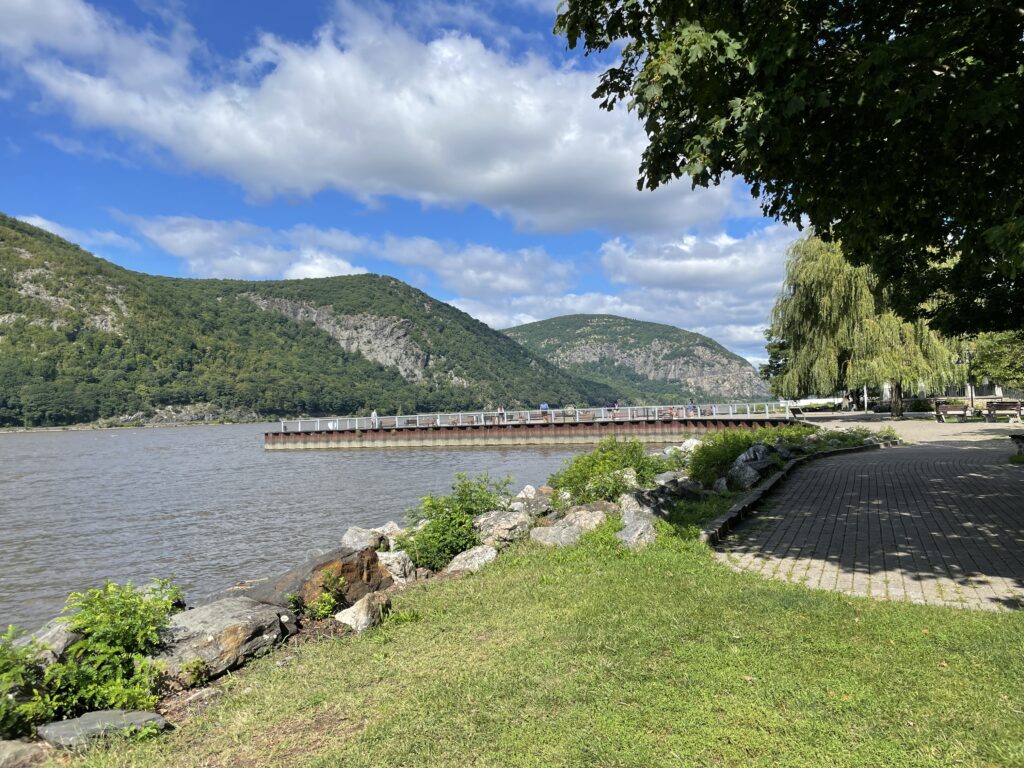
There’s something about the first light of spring in the Hudson Valley that changes the way a town feels.
The river reflects more sky. Storefronts look warmer. Side streets soften. The earliest blooms begin to show up where you almost least expect them — tucked beside old fences, near station platforms, along brick walks, and around the front gardens that tell you someone on this block really cares.
And that is exactly why this is such a smart time to photo-scout neighborhoods.
If you are thinking about buying a home — now or later — a riverfront walk can tell you things a listing alert never will. It gives you a read on the rhythm of a town. The pace. The parking. The foot traffic. The coffee culture. The little clues that answer the real question buyers are always asking beneath the surface:
Could I actually see myself here?
Why a Riverfront Walk Is More Than a Leisure Activity
Most buyers begin with square footage, taxes, commute time, and price point.
Those matter. Of course they do.
But what often determines whether a place feels right is the lifestyle wrapped around the house. Not just the property itself, but the ten-minute radius around it. What your walk looks like before work. Whether there is a café you’d actually return to. Whether the streets feel exposed or tucked away. Whether the neighborhood feels animated, sleepy, polished, artsy, practical, or quietly elegant.
That is what a good walk reveals.
A riverfront route, especially in early spring, lets you see a town in motion without the pressure of a showing. You can move at your own speed. You can observe without performing. And you can start noticing the details that shape day-to-day living.
What to Look for While You Walk
When you’re scouting a neighborhood, don’t just point your camera at the prettiest view and call it research.
Use the walk to gather signals.
1. Start with the river, then move one or two blocks inland
The waterfront often gives you the emotional first impression.
It is the “I could picture my life here” moment.
But the blocks just beyond it tell the fuller story. That is where you start to notice how the town connects — whether it feels easy to navigate, whether homes feel close together or comfortably spaced, and whether the transition from scenic to residential feels smooth.
2. Walk the station-adjacent streets
Even if you do not commute every day, station-area blocks reveal a lot.
They usually show you the most practical version of the town: traffic flow, pedestrian energy, morning convenience, and how mixed the area feels between residential life and daily movement. If a buyer cares about access, rhythm, and routine, this part matters.
3. Watch how people are actually using the town
Are people lingering, or just passing through?
Do sidewalks feel alive? Are outdoor tables occupied? Are dog walkers, runners, parents with strollers, and couples out for coffee all sharing the same space comfortably? That kind of layered activity tells you more than a demographic chart ever will.
4. Pay attention to maintenance
A neighborhood speaks through upkeep.
Look at sidewalk conditions, edging, stoops, street trees, fences, painted trim, and how storefronts present themselves. A perfectly imperfect town can still feel wonderful. What you’re looking for is not flawlessness — it’s care.
5. Notice sound, wind, and shade
These are the details buyers often miss during a quick showing.
A beautiful street can feel very different if it catches constant wind off the river. A charming block may be darker than expected by late afternoon. A corner that photographs beautifully might carry more road noise than you’d want every day.
This is why walking with intention matters.
The Best Times to Photo-Scout
A neighborhood can feel like two different places depending on the hour.
Golden hour: best for facades and atmosphere
Early morning or late afternoon light is ideal for exterior shots.
This is when front porches glow a little more. Architectural details become softer and richer. Trees, stonework, and clapboard pick up texture. If your goal is to understand how a block feels, golden hour gives you the emotional read.
Midday: best for river color and clarity
If you want those cleaner river tones — blue water, crisp skyline edges, brighter greens beginning to emerge — midday often wins.
It is less romantic, but more honest.
You see contrast better. You can study view corridors more clearly. And it becomes easier to compare one location to another without the drama of changing light.
Cloudy days: underrated for true neighborhood scouting
Overcast light is often excellent for practical research.
Why? Because it reduces visual distraction. You stop being seduced by cinematic sunset light and start noticing the real fundamentals: how a street sits, how buildings relate to each other, and whether the town still feels appealing without a “perfect weather” filter.
How to Shoot Like a Smart Buyer, Not Just a Tourist
You do not need a full camera kit.
A phone with a clean lens, a simple grip, and a little intentionality is more than enough.
Here’s the difference between taking pretty pictures and gathering useful visual notes:
Shoot exteriors from corners, not dead-on
Corner angles give context.
You’ll capture the home, the setback, the adjacent streetscape, and the scale of neighboring properties. That matters far more later than a straight-on image that isolates the facade but tells you nothing about its surroundings.
Capture the block, not just the house
Take photos of sidewalks, tree lines, cross streets, storefront frontage, and the spaces between buildings.
Buyers rarely regret documenting too much context. They often regret not remembering what the block actually looked like.
Avoid faces, license plates, and private spaces
Stay on public sidewalks.
Avoid porches, yards, and any angle that feels intrusive. The goal is to document the neighborhood respectfully, not to create a surveillance reel.
Take one “boring” photo on purpose
This is one of the best tricks.
Take a simple shot that shows the pavement, curb, sidewalk width, street parking situation, and utility placement. It won’t be the image you post. But it may be the image you refer back to when comparing towns later.
Bring a Notebook — Seriously
Your camera remembers what things looked like.
Your notes remember what they felt like.
That distinction matters.
After every few blocks, jot down quick observations:
Noise level
Wind exposure
Shade vs. sun
Parking ease
Foot traffic
Storefront energy
Condition of sidewalks and landscaping
Overall mood of the block
You are not writing a novel. Just enough to preserve the truth of the moment.
Because two weeks later, every riverside street can start blending together unless you’ve captured both image and impression.
Don’t Skip the Café Test
A neighborhood is not just where you live. It is where you repeat.
That is why I always like pairing a walk with a coffee stop.
Not because caffeine is a housing metric — though on some days, maybe it should be — but because cafés are one of the fastest ways to understand the social texture of a town. You see whether people know each other. Whether anyone lingers. Whether the atmosphere feels transactional or communal. Whether the place has local gravity.
Sit for ten minutes.
Look around.
Ask yourself: Would I come back here when I’m not trying to impress anyone?
That answer is usually more revealing than buyers expect.
What Early Blooms Can Quietly Tell You
This may sound small, but it isn’t.
Early blooms often reveal where care shows up first.
You’ll see it in planters near a storefront, in front-yard edges, around entry gates, and along paths that homeowners or shopkeepers maintain before the season is fully awake. It is a subtle sign of attention, pride, and how quickly a place begins to come alive when winter lifts.
And in real estate, those cues matter.
Not because flowers sell homes.
Because care sells lifestyle.
A Smarter Way to Compare Towns
If you are deciding between multiple Hudson Valley towns, use the same scout framework in each one.
Keep it simple:
Walk the riverfront
Move inland a few blocks
Pass through the station area if there is one
Stop for coffee
Take notes on traffic, noise, upkeep, and energy
Rate your gut reaction afterward
You are not trying to “win” the day with the prettiest view.
You are trying to gather enough real-world information that your eventual home search becomes sharper, calmer, and more aligned with how you actually want to live.
That is what turns browsing into strategy.
FAQs
Do I need a tripod for a neighborhood photo scout?
No.
A phone and a simple grip are usually enough. This is less about professional photography and more about creating a clean visual reference you can actually use later.
Can I photograph homes while I’m scouting?
From public sidewalks, generally yes — but stay respectful.
Do not step onto porches, enter yards, or photograph in a way that feels invasive. Keep the focus on streetscape, architecture, and neighborhood context.
What should I do about parking?
Use public lots where available and always follow posted signs.
Part of your scout is noticing how easy or annoying parking feels in real time, especially on a normal day rather than during a special event.
Is this useful even if I’m not ready to buy right now?
Absolutely.
In fact, this is one of the best low-pressure ways to begin learning the market. You build familiarity, start identifying your preferences, and make better decisions later because you already understand the lifestyle side of the search.
Final Thought
A good home search is not only about inventory.
It is about alignment.
And sometimes the clearest signal does not come from a listing portal, a price reduction, or a polished brochure. Sometimes it comes from a river walk, a side street in soft spring light, a café you almost skipped, or a note you wrote to yourself that says:
This town felt easy.
That matters.
Because buying well is not just about finding the right house.
It is about finding the version of daily life that fits you.
Want my Photo-Scout Map with river loops, walkable blocks, and café stops by town?
Send me a message and I’ll share the guide so you can scout smarter — and start narrowing in on the neighborhoods that truly match your lifestyle.