
Micro-Neighborhoods Locals Love: Streets & Blocks in Beacon, Cold Spring & Hudson
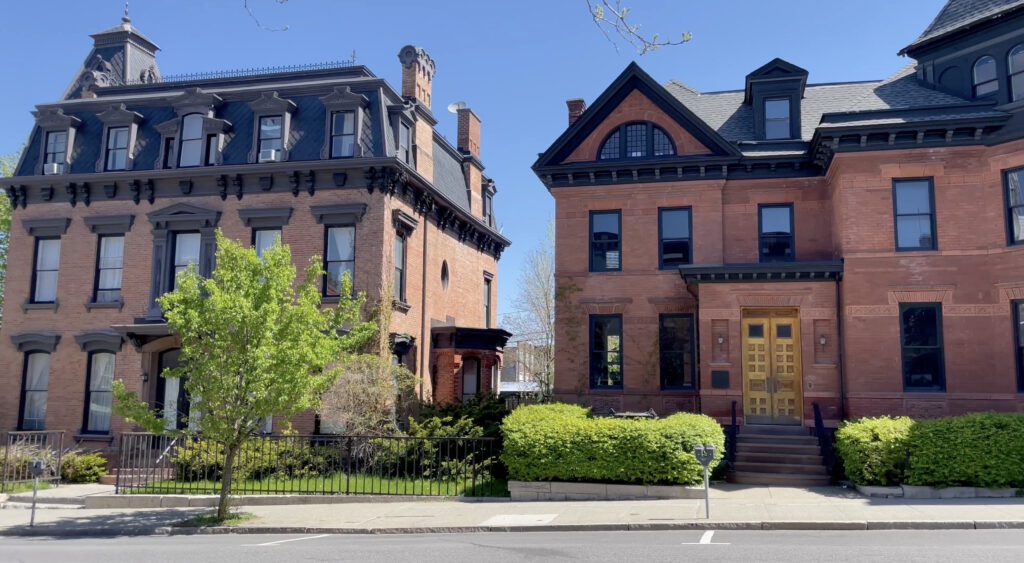
When buyers start their search, they usually begin with the town. Beacon. Cold Spring. Hudson.
That makes sense. But real-life demand rarely plays out at the town level. It happens street by street, block by block, sometimes even side of the street by side of the street.
That is where the magic lives.
One block feels calm, leafy, and easy. Another, just a few turns away, feels tighter, louder, dimmer, or less connected to daily life. Same town. Same price band, sometimes. Completely different living experience.
For buyers trying to shortlist faster, this is the shift that matters most: stop thinking only in neighborhoods and start thinking in micro-neighborhoods.
In the Hudson Valley, especially in towns like Beacon, Cold Spring, and Hudson, that block-level lens can help you spot the difference between a home that merely works on paper and one that actually fits your life.
What Makes a Great Block?
A great block is rarely about one dramatic feature. It is usually the result of small things working together.
You feel it before you can fully explain it.
Maybe the homes have a consistent rhythm, with front porches, similar setbacks, and enough breathing room between houses. Maybe the tree canopy softens the street. Maybe the light at dusk feels warm rather than harsh. Maybe the walk to coffee, the train, or the corner market is so intuitive that daily life starts to feel easier almost immediately.
Those are the details locals notice.
When I help buyers evaluate a location, I’m looking beyond square footage and finishes. I’m watching for the things that shape everyday living:
Consistent setbacks and visual rhythm that make a block feel settled
Tree canopy and shade that add comfort and softness
Light at dusk because some streets feel charming at 6:30 PM and others feel flat
Noise patterns from through-traffic, delivery routes, schools, or nearby commercial activity
Errand loops that make it easy to walk, bike, or move through the day without overthinking it
Parking behavior because the way a street parks tells you a lot about how it functions
Pride of upkeep including sidewalks, stoops, snow clearing, and general curb discipline
A beautiful house on a block that feels off will always ask you to compromise more than you think.
A good house on a block that feels right often lives better than the photos suggest.
Why Micro-Neighborhoods Matter More Than Ever
In walkable Hudson Valley towns, buyers are not just purchasing a house. They are buying into a pattern of daily movement.
They want to know:
Can I get to the station without it feeling like a production?
Can I walk to dinner and still feel tucked away at home?
Will this street feel peaceful on a Tuesday night, not just charming during an open house on Saturday?
Does this block hold its value because people genuinely want to be here?
Those questions are more revealing than broad neighborhood labels.
The truth is, many buyers say they want “Beacon neighborhoods,” when what they really want is something more specific: a quieter side street near Main, a little yard space, easier parking, or a bikeable route to Metro-North. The same goes for Cold Spring and Hudson. The town gets them in the door. The block determines whether they stay interested.
Beacon: The Side Streets That Balance Energy and Ease
Beacon has range.
That is part of its appeal, and also part of what makes micro-neighborhood thinking so important. One pocket may feel lively and highly connected to Main Street. Another may feel noticeably quieter, more residential, and a touch more spacious, while still keeping the town’s energy within easy reach.
For many buyers, the sweet spot in Beacon is not Main Street itself. It is often the side streets just off Main, where you get a little more breathing room and a little less motion.
These are the blocks people tend to respond to:
Streets with yard space or deeper lots
Blocks that feel residential first, commercial second
Areas that remain bikeable or manageable to the station
Spots where you can enjoy Beacon’s food, shops, and culture without feeling like you live in the middle of the foot traffic
The best Beacon blocks often offer a kind of duality: access and exhale.
You can be close to everything and still feel like you have stepped out of the current a bit. For buyers coming from the city, that balance can be especially attractive. They want walkability, yes—but not always constant motion.
A great Beacon block often answers both needs.
Cold Spring: Storybook Streets Within a 10-Minute Station Walk
Cold Spring has a different energy entirely.
The draw here is often emotional first. People respond to the village charm, the river proximity, the historic feel, and the simplicity of being able to step off the train and actually live with ease.
But even in a town with such a strong identity, not every block delivers the same experience.
The most beloved pockets tend to be the storybook streets within about a 10-minute walk to the station—close enough for convenience, but not always right on the most heavily trafficked path.
What tends to stand out on the right block in Cold Spring:
A sense of village intimacy
Mature trees, historic homes, and porches that give the street personality
A walk to the station that feels direct and comfortable
Easy access to restaurants, shops, and the waterfront without sacrificing too much quiet
For weekenders and full-time residents alike, Cold Spring often works best when the home feels connected to the village but not overwhelmed by it.
That distinction matters.
Some buyers assume being as close as possible is automatically best. Not always. In practice, a slightly quieter block with a still-easy station walk can offer a better day-to-day experience than a location that is technically central but feels busier, tighter, or more exposed.
Hudson: Quiet Warren-Adjacent Streets With Daily-Life Appeal
Hudson attracts buyers who care about design, food, culture, and historic character—but just as often, they are looking for a livable rhythm behind the style.
That is where the right micro-neighborhood comes in.
For many buyers, the most appealing areas are not necessarily the busiest stretches themselves, but the quieter streets adjacent to Warren that give you quick café, restaurant, and gallery access while still offering some remove from the activity.
The blocks that tend to win people over usually offer:
Quick access to Warren Street and nearby favorites
A residential feel that settles down after business hours
Historic housing stock with architectural charm
A little separation from noise, nightlife, or tourist flow
In Hudson, proximity is powerful—but so is positioning.
A home that is one or two turns off the main energy can often feel more balanced. You keep the convenience and lifestyle factor while gaining a little more quiet, a little more privacy, and often a more natural daily cadence.
That is the difference between visiting a place and really living in it.
How to Scout a Micro-Neighborhood Like a Local
This is where buyers can gain an edge.
The best block is not always the one that photographs best online. It is the one that performs well in real life. So before you decide a location is right for you, scout it at the moments that reveal the most.
Walk the block at school let-out.
That is when traffic patterns, pickup habits, and street congestion become real.
Walk it again after dinner.
Early evening tells you a lot about noise, lighting, dog-walking patterns, and whether the street feels calm, lively, or oddly empty.
Pay attention to parking.
A block with constant jockeying for spaces feels different from one with a little more ease.
Listen for background noise.
Not just cars. HVAC hum, delivery activity, train sound, outdoor dining spillover, and road echo all matter.
Watch how people maintain the edge of their property.
Snow clearing, sidewalk care, stoops, bins, and landscaping often tell you how the block functions when no one is trying to impress a buyer.
Notice the lot depth.
This becomes especially important near busier roads. Two homes may share the same address line on a map, but the lived experience can be very different depending on setback, yard depth, fencing, and where outdoor space actually sits.
In other words: tour the house, but investigate the block.
FAQs
Is a busy road nearby always a deal-breaker?
Not necessarily.
A nearby road can matter a lot—or less than expected—depending on lot depth, elevation, landscaping, window placement, fencing, and where you spend time outdoors. Some homes absorb sound surprisingly well. Others do not. It is less about the map alone and more about how the property sits on the land.
Is alley access a plus?
Often, yes.
Alley access can be excellent for storage, parking, deliveries, trash handling, or keeping the main frontage cleaner and more attractive. That said, it is smart to confirm who maintains it, how it is used, and whether it creates any practical issues during winter or muddy seasons.
How do I check for future construction nearby?
Start local.
Look at building permits, planning board agendas, zoning activity, and town meeting materials. A quiet block today can change if there is an active project in motion nearby. Buyers do not need to become amateur planners, but they should absolutely know whether something notable is in the pipeline.
The Real Advantage
At the macro level, buyers compare towns.
At the smart-buyer level, they compare blocks.
That is where lifestyle gets more precise. That is where resale strength becomes easier to understand. And that is where you stop chasing broad labels and start focusing on the pockets that actually fit how you want to live.
Because in places like Beacon, Cold Spring, and Hudson, the question is rarely just, “Do I like this town?”
The better question is, “Do I like this block enough to build a life here?”
Want a faster way to narrow your search?
Ask for my Micro-Neighborhood Shortlist and I’ll send you 3–5 standout blocks per town, plus active listings that match the feel, access, and street character you’re really after.