
March Move-In Weekends: What a Day Feels Like in Top Hudson Valley Commuter Towns
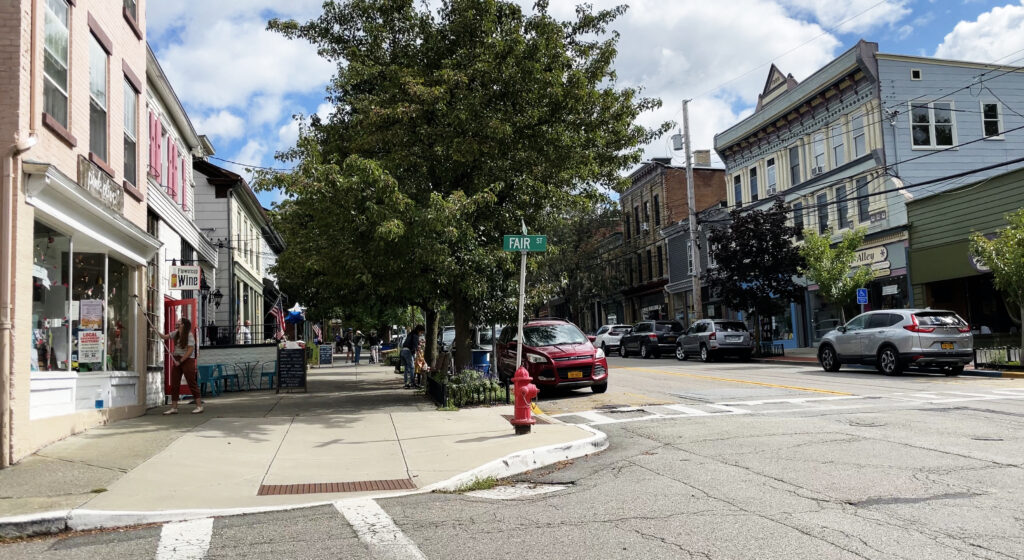
When buyers start narrowing down their shortlist, they usually compare price, square footage, taxes, and commute time.
All important.
But here’s the truth: you are not just buying a house. You are buying a rhythm.
You are buying the way your mornings begin.
The ease — or friction — of an errand run.
The feel of the walk from dinner back to your car.
The energy of the station at 7:15 a.m. versus 7:15 p.m.
That’s why a smart Hudson Valley March move-in strategy is not only about touring homes. It is about testing daily life before you commit to it.
March is one of the best times to do this. The spring market is waking up, inventory begins to build, and the weather is just honest enough to show you what a town really feels like — without the rose-colored filter of a perfect fall Saturday.
If you are seriously considering a commuter town in the Hudson Valley, give yourself one full day in each contender. Not a quick drive-through. Not a single showing. A real day.
Because once you experience the tempo of a place, your decision often becomes much clearer.
Why “Day-in-the-Life” Touring Works
Online listings can tell you about finishes and lot size.
They cannot tell you whether the town feels calm or chaotic at drop-off time.
They cannot tell you whether parking near the station is seamless or mildly soul-crushing.
They cannot tell you whether Main Street feels lively at 6:30 p.m. or empty by 5:00.
A day-in-the-life tour helps you evaluate the details that quietly shape everyday happiness:
Commute flow
Parking realities
Errand convenience
Walkability
Parks and recreation access
School-area traffic patterns
Evening atmosphere
How “easy” the town actually feels
This matters whether you are relocating full-time, buying your first suburban home, or trading weekend visits for a permanent move north.
Why March Is Such a Useful Time to Tour
March gives buyers a particularly useful read on a town because it sits right between winter and spring.
You’ll notice:
How roads, sidewalks, and parking lots are functioning after winter
Whether the downtown still feels inviting before peak spring activity arrives
What the commute looks like during a normal work rhythm
How quickly you can get from station to school to grocery store to home
In other words, March shows you the town with its makeup off.
And that is helpful.
A beautiful October day can make almost anywhere feel cinematic.
A chilly March Saturday is better at revealing whether a place is actually convenient, comfortable, and livable.
The Ideal “Day in the Life” Town Test
Here is a simple but powerful structure to follow when visiting your top commuter towns.
Morning: Start With the Commute Reality
Begin early enough to catch the town during its active morning rhythm.
Your first stops should include:
The train station
A nearby coffee shop or café
A short walk or loop through a nearby park or downtown block
What to look for
Notice how easy it is to reach the station. Is traffic manageable? Does parking feel organized? Are the lots full early? Are there permit-only areas you would need to understand?
Then grab coffee nearby and watch the town wake up.
This is often where the personality of a place becomes visible. Some towns feel polished and energetic. Others feel quieter and more residential. Neither is wrong — but one may feel more like you.
If you have children, try adding a quick stop at a local playground or green space. Even ten minutes there can tell you a lot about how families actually use the town.
Questions to ask yourself
Would this morning routine feel stressful or easy?
Could I imagine doing this several times a week?
Does the town feel too sleepy, too busy, or just right?
Would I enjoy starting my day here?
Midday: Test the Practical Layer
This is where fantasy meets logistics.
Between late morning and early afternoon, run the kinds of errands you would actually need in regular life:
Grocery store
Pharmacy
Dry cleaner
Gas station or EV charging
Bank
Coffee refill or casual lunch spot
School district drive-by if relevant
A town can look charming on paper and still feel inconvenient when every practical stop requires a longer drive than expected.
What to notice
Pay attention to distance, traffic flow, and mental effort. Are essentials clustered together, or are you hopping all over town? Is parking simple? Does the commercial area feel polished and well-kept? Are there enough everyday services close by?
If schools are part of the decision, do a drive-through of the neighborhoods and roads around them. You are not evaluating academics from the car, of course — you are evaluating the lived geography of the area.
How far is it from likely housing stock?
How busy are the surrounding roads?
Does the area feel calm, established, and navigable?
These are the kinds of details that affect your day long after closing.
Afternoon: See Homes — and See the Streets Around Them
Afternoon is the right time for showings because by then you’ve already grounded yourself in the town.
Now, as you tour homes, do not only evaluate the property.
Evaluate the context.
Pay attention to
Block traffic
Noise levels
Sunlight and shade
Proximity to main roads
School dismissal patterns
Road width and neighborhood feel
The “in-between” spaces from one area to the next
A house can photograph beautifully and still sit on a road that feels busier than you expected.
A neighborhood can seem quiet online but reveal itself as a cut-through route in person.
A location that looks “close to town” may feel either wonderfully convenient or slightly too active, depending on your preferences.
This is why in-person rhythm matters so much.
The home is the anchor.
The town is the lifestyle.
Evening: Test the Town After Work Hours
This is the step many buyers skip.
They visit in daylight, see a few homes, and leave.
But evening tells you something daytime can’t: how the town settles.
Stay for dinner on Main Street or in the nearby village center. Choose somewhere casual enough that you can observe rather than rush.
After dinner, take a walk.
Walk back to your car.
Walk a few blocks from the restaurant.
If relevant, walk near the station or downtown edges.
What you’re evaluating
Does the town feel lively or empty?
Is it well-lit?
Does it feel safe and comfortable?
Are people out and about?
Could you imagine ending your workday here?
The evening test is especially helpful for commuters, couples, and families who want a town that still has a pulse after business hours.
Sometimes a town wins in the morning and loses at night.
Sometimes the opposite happens.
That contrast is useful.
What to Bring on Your Move-In Weekend Tour
Keep it simple, but intentional.
Essentials
Comfortable shoes
Fully charged phone and car charger
Notebook or notes app
Water
Light layer or coat for changing temperatures
Printed or saved list of addresses and stops
Questions you want answered in each town
You are not trying to have a glamorous day.
You are trying to have an honest one.
Luxury buyers know this instinctively: the smartest decisions are rarely made by being dazzled. They are made by noticing.
How to Structure the Timing
For the clearest read on a commuter town, arrive before the morning rush and stay past dinner.
That gives you at least three different versions of the town:
Morning function
Midday convenience
Evening feel
If possible, test towns on both a weekday and a Sunday.
A Sunday can show you lifestyle.
A weekday reveals reality.
You want both.
What to Track While You Tour
When buyers compare towns later, memory gets fuzzy quickly.
One coffee shop blends into another. One charming Main Street starts to resemble the next.
Use a simple scoring method after each town visit.
Rate each town on
Commute ease
Station parking
Walkability
Family friendliness
Downtown charm
Everyday convenience
Evening atmosphere
Overall emotional fit
That last category matters more than people admit.
Because sometimes the numbers are similar — and one town just feels like the place you want to come home to.
A Few Common Buyer Mistakes
Mistake 1: Only touring around showings
That gives you a property tour, not a lifestyle test.
Mistake 2: Visiting only on the nicest day
A town should still feel workable when the weather is imperfect.
Mistake 3: Ignoring parking and permit logistics
Especially in commuter towns, parking can shape your week more than expected.
Mistake 4: Leaving before evening
Nighttime atmosphere can completely change your impression.
Mistake 5: Confusing charm with convenience
A town can be beautiful and still not fit your day-to-day needs.
FAQs
Can kids handle a full day of touring?
Yes — with some planning. Build in playground stops, snack breaks, and one low-pressure meal. Kids often give surprisingly useful feedback about how a place feels, especially parks, sidewalks, and downtown energy.
Should I visit on a Sunday or a weekday?
Ideally both. Sundays show you leisure and pace. Weekdays reveal the actual commuter rhythm, school traffic, and parking realities.
How do I evaluate parking stress?
Track it intentionally. Check station lots, nearby streets, permit requirements, and overflow options. Don’t assume parking will “work itself out” later.
What if two towns feel very similar?
That is when the small things become decisive: the ease of errands, the feel of downtown after dark, the flow to the station, and whether you can picture your real routine there.
Is March really a good time to choose a town?
Yes. March is one of the best months to test true livability. You see the town in a more realistic state, while still getting ahead of the busiest part of the spring market.
Final Thought
A beautiful home can catch your attention.
But the right town earns your confidence slowly — in the coffee run, the train platform, the pharmacy stop, the school loop, the walk after dinner.
That is the life you are actually buying.
Before you choose your next home, give yourself permission to test the day, not just the square footage.
It is one of the smartest ways to make a move you will feel good about long after the boxes are unpacked.
Want my Day-In-The-Life Sheets for your shortlist towns?
I’ll send you a simple planning guide so you can compare commute flow, errands, parks, downtown feel, and evening rhythm before you decide where to focus your search.