
Why the Hudson Valley Is Made for 'Third Places'
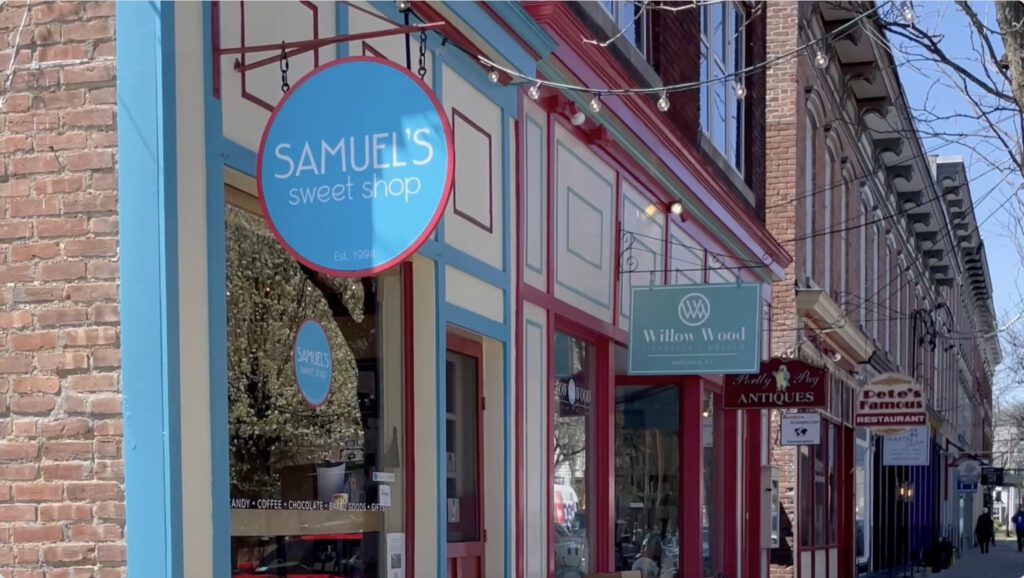
A third place is the place that isn’t home and isn’t work: the café where someone knows your order, the bookstore where you lose track of time, the market, the trail, the local bar, the community table. These places are quiet infrastructure for belonging, the kind that doesn’t show up on a listing sheet but ends up mattering more than a lot of things that do.
Where the term comes from
Sociologist Ray Oldenburg coined “third place” in the late 1980s to describe exactly this kind of neutral, low-cost, informal gathering spot, distinct from the obligations of home (first place) and work (second place). His argument was that a healthy community needs somewhere people can show up without an agenda, run into neighbors by accident, and build the kind of loose, ongoing familiarity that formal events never quite create. Decades later, the idea has become shorthand for something people notice they’re missing the moment they move somewhere that doesn’t have it.
That’s really the test of a good third place: you don’t need a reason to go, and you don’t need to schedule it. It’s just there, and you end up there often enough that people start to expect you.
Why the Hudson Valley does this unusually well
A lot of regions have a coffee shop or two. What makes the Hudson Valley different is density and variety packed into small, walkable downtowns. Most village centers here, Beacon, Cold Spring, Rhinebeck, Millbrook, Hudson, are compact enough that a handful of these spaces sit within a few blocks of each other: an independent bookstore with a reading nook, a diner that’s been serving the same regulars for years, a coffee shop with a community bulletin board, a bar where the bartender remembers your name by your third visit. None of this is manufactured for tourists. It’s built for a population small enough that repetition still means something.
The region’s mix of longtime residents and newer arrivals also helps. Third places are where those two groups actually mix, at a farmers market table, in line at a bakery, at a trailhead parking lot, in a way that a more anonymous suburb or a strictly commuter town often doesn’t allow for.
Notice where life naturally gathers
The best third places are often practical, not precious: a diner, a library, a park bench with a good view, a farmers market, a table by the window at a coffee shop. When you’re visiting a town you’re considering, pay attention to where people are actually lingering on an ordinary weekday, not just what’s busy on a Saturday. A packed brunch spot on a weekend tells you less than a half-full diner on a Tuesday morning where three different tables are having a conversation with each other.
Libraries deserve more credit here than they usually get. A good local library is often the most genuine third place in a small Hudson Valley town: free, open to everyone, and built around exactly the kind of unplanned encounter that makes a place feel like a community rather than a collection of houses.
Use them regularly
Familiarity comes from repetition, and repetition is how a new community starts to feel less like a destination and more like daily life. The first visit to a coffee shop is just a transaction. The tenth visit is the beginning of a relationship, even if it’s a small one. This is worth being intentional about after a move: pick one or two spots and go back on purpose, even before you feel like a regular, because that’s the only way to become one.
Support the local ecosystem
Buying a coffee, attending a small event, or bringing a friend to a favorite shop helps keep these spaces alive, and it matters more than it sounds like it should. Independent bookstores, local diners, and small cafés operate on thinner margins than people assume, and they tend to survive on exactly the kind of habitual, small-dollar loyalty that comes from regulars rather than one big weekend of tourist traffic. Third places don’t run on nostalgia. They run on people actually showing up.
A thoughtful next move
A home is important. So is having reasons to leave it. The Hudson Valley’s enduring charm is partly its ability to offer both: a place worth coming home to, and a handful of places nearby worth walking to.
Explore the Hudson Valley with intention. For a home search shaped around the way you want to live, not just a list of rooms, connect with Jeffrey Hoffmann for a tailored local strategy.
Frequently asked questions
What is a third place? A third place is a gathering spot that’s neither home nor work, a café, bookstore, bar, library, or market where people show up informally and build familiarity over time. The term comes from sociologist Ray Oldenburg, who argued these low-pressure, regularly visited spaces are essential to feeling connected to a community, not just living near one.
How do I feel connected after moving to a new town? Pick one or two spots, a coffee shop, a diner, a local bookstore, that fit your actual habits, and go back on purpose rather than waiting to stumble into familiarity. Connection tends to come from repetition more than from any single event or effort. Give it a few months of showing up before judging whether a town feels like home.
Why are local businesses important to community life? Independent cafés, bookstores, and diners are often where a town’s actual social life happens, not just where people spend money. They also tend to run on thin margins and depend on regular, repeat customers rather than one busy weekend, so patronizing them regularly is part of what keeps a walkable, lived-in downtown functioning rather than turning over into something less personal.