
How Much House Can You Comfortably Maintain in the Hudson Valley?
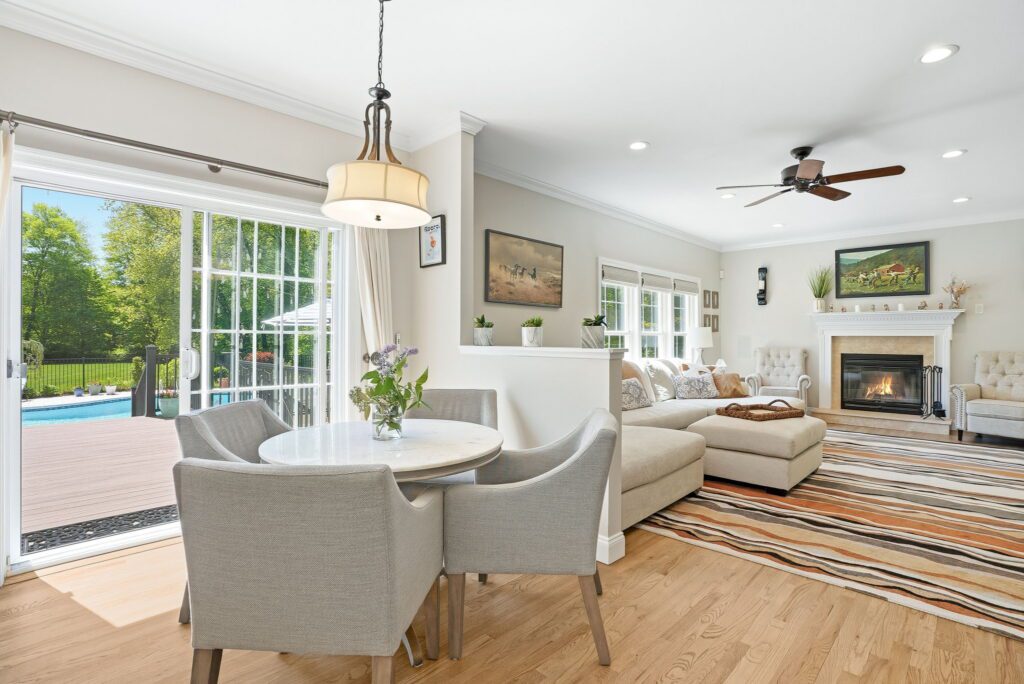
There is a question buyers ask all the time in slightly different ways:
How Much House Can You Comfortably Maintain in the Hudson Valley?
There is a question buyers ask all the time:
How much house can I afford?
It is a necessary question. Financing matters. Monthly payment matters. Taxes, insurance, closing costs, and cash reserves all matter.
But in the Hudson Valley, there is another question that deserves just as much attention:
How much house can I comfortably maintain?
Because the right home is not simply the largest one a lender will approve. It is the home whose upkeep, utility costs, commute, outdoor responsibility, and weekend workload still leave room for the life you are moving here to enjoy.
That distinction matters here.
A Hudson Valley home can offer extraordinary beauty: historic architecture, mature trees, stone walls, acreage, porches, long driveways, barns, gardens, fireplaces, village charm, river views, and privacy. These are the things that make people fall in love with the area.
But many of those same features come with responsibility.
The goal is not to talk anyone out of character, land, or older homes. I love those properties. Many buyers do.
The goal is to understand what a home will ask of you after the closing, after the movers leave, and after the first perfect weekend has passed.
A home should support your life.
It should not quietly consume it.
The direct answer
So, how much house can you comfortably maintain in the Hudson Valley?
The honest answer is: it depends on the home, the land, the systems, your budget, your available time, and your tolerance for projects.
A newer 3,000-square-foot home on a manageable lot may feel easier to maintain than a 2,000-square-foot historic home with older systems, a long gravel driveway, mature trees, and drainage issues.
A house with more acreage may feel peaceful and private, but it may also require mowing, snow removal, tree work, equipment, landscaping, tick management, storm cleanup, and ongoing attention.
A charming older property may be deeply worth it.
But “worth it” and “easy” are not the same word.
The better question is not, “Can I buy this?”
The better question is:
Can I live well with what this home will require?
That is where the real decision starts.
Bigger is not always better
There is a very tempting idea that more house automatically means more value.
More bedrooms.
More square footage.
More land.
More storage.
More “just in case” space.
But more is only better when it serves the way you actually live.
A guest room is useful if guests really visit.
A home office is useful if it supports your workday.
A finished lower level is useful if it becomes a media room, gym, playroom, studio, or flexible living space.
But extra rooms that sit empty still need to be heated, cooled, cleaned, furnished, repaired, insured, and maintained.
At some point, “more space” can become “more house than you wanted to take care of.”
That is not a failure of ambition.
It is simply a mismatch.
The strongest purchase is not always the largest home.
It is the home where the amount of space, upkeep, and responsibility feels aligned with the life you are trying to build.
Start with the operating reality
When evaluating a Hudson Valley property, do not stop at square footage.
Square footage tells you size.
It does not tell you effort.
Look at the home’s operating reality:
How old are the major systems?
Heating, cooling, electrical, plumbing, roof, windows, septic, well, drainage, insulation, and appliances all shape ownership.
How efficient is the home?
Older homes can be beautiful, but utility costs may vary significantly depending on insulation, windows, heating fuel, layout, and overall condition.
How complicated is the property?
Multiple structures, pools, long driveways, extensive gardens, retaining walls, steep lots, barns, outbuildings, and large decks can all add layers of maintenance.
How much deferred maintenance is visible?
Peeling paint, soft decking, tired gutters, aging mechanicals, old windows, cracked masonry, or water signs may not be dealbreakers. But they should be understood before you decide what the home is really asking of you.
A house is not just a purchase price.
It is an operating system.
And some operating systems are calmer than others.
Be honest about outdoor responsibility
This is one of the biggest Hudson Valley adjustments for buyers, especially those moving from New York City or more densely built suburbs.
Land can be intoxicating.
A wide lawn. Mature trees. Stone walls. A long driveway. A private setting. Maybe a view. Maybe enough room for a garden, a pool, a fire pit, a dog, or a level of quiet you did not realize you needed.
All lovely.
But land has a calendar.
Spring brings cleanup, planting, drainage checks, and yard prep.
Summer brings mowing, trimming, watering, pest management, pool care if applicable, and the recurring mystery of how everything grows back the second you look away.
Fall brings leaves. So many leaves. A municipal amount of leaves.
Winter brings snow, ice, plowing, sanding, heating demands, and the occasional driveway experience that builds character whether you requested character or not.
Again, none of this means you should avoid land.
It means you should buy the amount of land that matches your lifestyle, budget, and capacity.
Ask yourself:
Do I want to maintain this myself?
Will I hire help?
What will that realistically cost?
How often will I be here?
Will this feel peaceful or burdensome six months from now?
A beautiful property should feel like an asset to your life, not a second job you accidentally purchased with a porch.
Older homes require a different mindset
The Hudson Valley has wonderful older homes.
Farmhouses. Colonials. Victorians. Capes. Stone houses. Village homes with trim, plaster, porches, built-ins, wood floors, and architectural details that newer construction often tries very hard to imitate.
There is a reason buyers fall in love with them.
Older homes have presence.
They feel rooted.
They often carry a kind of character that cannot be ordered from a catalog, despite what certain websites keep bravely attempting.
But older homes need thoughtful evaluation.
Not panic.
Not suspicion.
Just respect.
A charming older home may come with older mechanical systems, uneven floors, original windows, plaster walls, fieldstone foundations, knob-and-tube remnants, aging oil tanks, septic questions, drainage concerns, or insulation limitations.
Some of that may be manageable. Some may already be updated. Some may be part of the home’s normal ownership profile.
But you want to know before you buy.
That is why inspections matter. Contractor opinions matter. Local expertise matters. And your own tolerance for projects matters.
The question is not, “Is an older home expensive to maintain?”
The better question is:
What has already been handled, what is likely coming next, and am I comfortable owning that timeline?
Plan for the first twelve months
The first year in a home has a way of introducing itself.
Sometimes politely.
Sometimes by sending a plumber at 7:30 on a Saturday morning.
Even a well-maintained home can come with surprises after moving day. Not because anyone did anything wrong, but because living in a home reveals things that showings and inspections cannot always fully capture.
That is why buyers should think beyond down payment and closing costs.
Build a first-year ownership reserve for:
Immediate repairs that are not urgent enough to stop the purchase but should be addressed soon.
Furnishings and setup, because larger homes often need more furniture, window treatments, rugs, lighting, storage, and practical items than buyers expect.
Seasonal equipment or services, such as snow removal, landscaping, leaf cleanup, pest control, generator maintenance, chimney service, gutter cleaning, or HVAC servicing.
Small surprises, because every home has at least one “welcome to ownership” moment.
The goal is not to make the home feel scary.
The goal is to make the transition feel calmer.
A strong purchase is not only about qualifying for the mortgage.
It is about having enough room in the plan to enjoy the home after you buy it.
Think about time, not just money
Maintenance is not only a financial question.
It is also a time question.
Some buyers have the budget to maintain a larger property but not the desire to spend weekends managing vendors, projects, repairs, and seasonal chores.
Other buyers enjoy the work. They want the garden, the old house, the workshop, the land, the long-term improvements, and the satisfaction of building something over time.
Neither buyer is wrong.
They are just buying different lives.
That is why I like to ask:
How do you want your weekends to feel?
Do you want to wake up and work on the property?
Do you want to putter in the garden for pleasure, but not because the house is staging a small rebellion?
Do you travel often?
Do you have children, pets, guests, aging parents, work obligations, or hobbies competing for the same time?
Do you want privacy enough to trade off convenience?
Do you want village life enough to trade off acreage?
The right house should match your real energy, not your aspirational version of yourself who apparently owns every tool and never gets tired.
That person sounds impressive.
I have questions.
Compare the fantasy to the normal Tuesday
A home can make perfect emotional sense during a showing.
The light is beautiful. The fireplace is on. The yard looks peaceful. The kitchen seems like the start of a better, more organized version of your life.
That first reaction matters.
But before you make a decision, bring the home back to a normal Tuesday.
Where do the groceries go?
How far is the drive after a long day?
Where do coats, shoes, bags, dog towels, sports gear, and Amazon boxes land?
How does the home feel in winter?
How much space will you actually use?
What rooms will need to be cleaned, heated, cooled, and furnished?
How often will you need to call someone for help?
What happens when it snows?
Where do guests park?
Where do you work?
Where do you rest?
A home is not only a weekend feeling.
It is a weekday system.
And the best homes work in ordinary life, not just in beautiful listing photos.
The “enough” test
One of the most useful ways to think about a Hudson Valley purchase is through the idea of enough.
Not in a limiting way.
In a clarifying way.
A home should give you enough room to live comfortably, host the people you love, work well, store what you actually use, and enjoy the setting around you. But it should also leave enough flexibility in your budget, calendar, and energy to maintain the property without feeling like the house has become your second full-time job.
That balance is different for everyone.
For one buyer, “enough” may mean a village home with walkability, a manageable yard, and easy access to restaurants, coffee, and the train.
For another, it may mean acreage, privacy, a long driveway, and the satisfaction of caring for a larger property over time.
For someone else, it may mean choosing a slightly smaller home in better condition so there is more room in the budget for travel, renovations, school costs, furnishings, or simply breathing space.
None of those choices is automatically better.
The right answer depends on the life you want the home to support.
That is why “How much house can I afford?” is only the beginning. The better question is, “How much house can I comfortably own?”
Because the best version of value is not always maximum square footage.
Sometimes it is the home that lets you enjoy your weekends, absorb the unexpected, maintain the property well, and still live the life that drew you to the Hudson Valley in the first place.
Questions to ask before you buy
Before making a decision, ask these questions:
What are the likely maintenance costs in the first year?
What major systems may need attention in the next five years?
How much exterior upkeep does the property require?
Will I manage the maintenance myself or hire professionals?
How does the commute feel in real life, not just on a map?
How much of the home will I actually use?
Does the outdoor space match my capacity?
What does this home ask of me in winter?
What would make this home feel stressful after the initial excitement fades?
If I bought a slightly smaller or simpler home, what would I gain back in time, money, or flexibility?
That last question can be surprisingly revealing.
Sometimes the larger home is absolutely the right fit.
Sometimes the more manageable home creates a better life.
Frequently asked questions
How much should I budget for home maintenance each year?
A common planning approach is to set aside a percentage of the home’s value each year for maintenance, but that number should be adjusted based on the property’s age, condition, size, systems, and land. In the Hudson Valley, buyers should also consider seasonal costs such as snow removal, landscaping, gutter cleaning, tree care, heating, pest management, and potential well or septic maintenance where applicable.
The more useful approach is to build a property-specific estimate after reviewing inspections, disclosures, utility history, and known upcoming repairs.
Is an older Hudson Valley home expensive to maintain?
It can be, but not always.
An older home that has been carefully updated and well maintained may be very manageable. An older home with deferred maintenance, aging systems, drainage issues, or unclear renovation history may require a larger reserve and more active ownership.
The key is not to avoid older homes automatically.
The key is to understand the systems, structure, updates, and likely next projects before making the decision.
What questions should I ask about acreage and outdoor upkeep?
Ask who currently maintains the property, what services are used, what those services cost, how snow removal is handled, whether there are drainage concerns, what tree work has been done recently, how the driveway performs in winter, whether any equipment is needed, and how much of the land is lawn, woods, slope, wet area, garden, or usable outdoor space.
Acreage is not just a number.
It is a maintenance profile.
Should I buy the biggest home I can afford?
Not necessarily.
The better goal is to buy the home that gives you the strongest combination of comfort, flexibility, lifestyle fit, and financial breathing room. The largest home you can afford may not be the one you most enjoy living in if it creates too much maintenance, stress, or unused space.
How can I tell if a home is too much to maintain?
A home may be too much to maintain if the likely upkeep costs, project list, commute, outdoor work, or vendor management would consistently interfere with the life you want to live. Pay attention to your own reaction during the showing and inspection process. If every feature you love comes with a responsibility you dread, that is worth discussing before you move forward.
A thoughtful next move
If you are buying in the Hudson Valley, do not just ask how much house you can afford.
Ask how much home you can live with comfortably.
That question can protect your budget, your time, your energy, and your enjoyment of the place you are choosing.
The right home should give you enough room to grow, enough calm to recharge, and enough predictability to actually enjoy the life around it.
That is a far stronger definition of value than square footage alone.
For a home search shaped around the way you want to live, not just the number of rooms on a listing sheet, connect with Jeffrey Hoffmann for a tailored Hudson Valley buying or selling strategy.