
What Buyers Should Understand About Trade-Offs
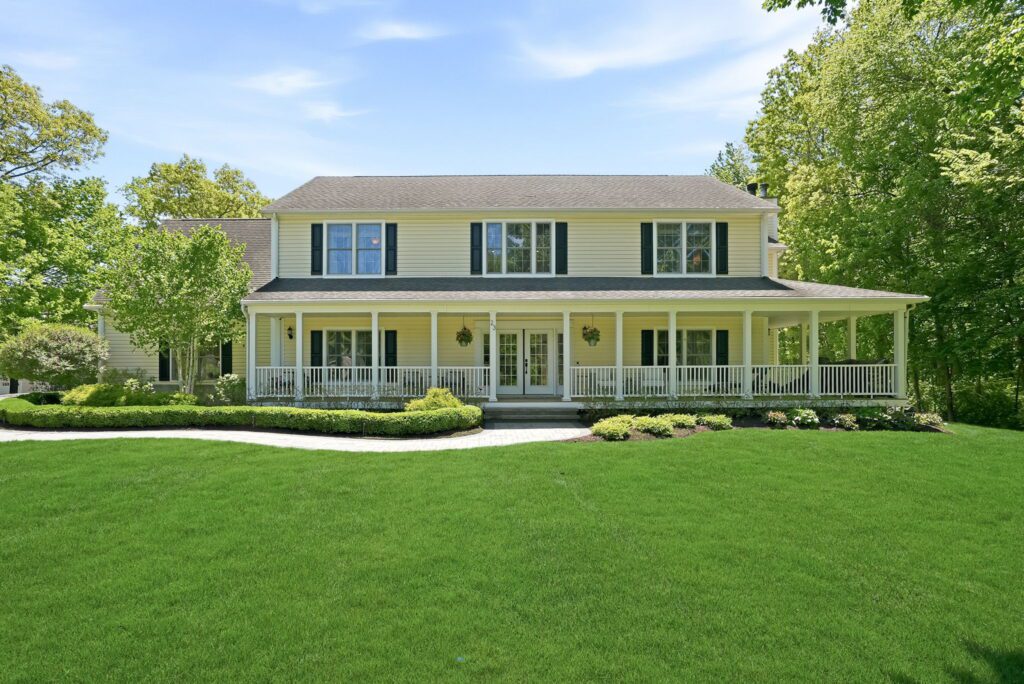
Every home purchase involves trade-offs.
The goal is not to avoid them.
The goal is to choose the right ones.
That is one of the most important things buyers can understand early in the process, because it changes the way they search. It takes some of the pressure off. It also makes the decision-making process more honest.
A lot of buyers begin their search hoping the perfect house is out there waiting for them.
The one that checks every box.
The one that fits the budget comfortably.
The one that has the right location, the right style, the right condition, the right yard, the right layout, the right taxes, the right commute, and the right feeling the moment they walk through the door.
I understand that hope.
It is natural.
Buying a home is emotional, and when people are making such a significant decision, they want to feel certain. They want the house to make sense on paper and feel right personally. They want the reassurance of knowing they are not giving something up too soon or settling for less than they should.
But in most real searches, the strongest decisions do not come from finding a home with no compromises.
They come from understanding which compromises are acceptable — and which ones are not.
That distinction matters.
Because not every trade-off carries the same weight.
Some trade-offs are cosmetic. A dated bathroom, older kitchen cabinets, paint colors you would never have chosen, light fixtures that feel tired, or landscaping that needs attention may all be things that can be improved over time. They may affect the first impression, but they do not necessarily affect the long-term function of the home.
Other trade-offs are more structural or lifestyle-based.
A location that does not support your commute, a floor plan that makes daily life harder, a property that requires more maintenance than you realistically want, or a setting that does not match the way you live can have a much bigger impact. Those are not just surface-level issues. Those are the kinds of compromises that can show up every day.
That is why buyers have to learn how to separate what feels disappointing in the moment from what may actually matter over time.
A home with less charm but better function may be the smarter decision.
A home that needs cosmetic updates but sits in the right location may be worth serious consideration.
A smaller house with a better layout may live better than a larger house with awkward space.
A property that does not have every feature on the wish list may still support the lifestyle, routines, and long-term goals that matter most.
On the other hand, a house that photographs beautifully may not be the right choice if it asks you to compromise on the things you said were truly important.
That is where clarity becomes essential.
Before buyers can evaluate homes well, they need to understand their own priorities. Not just the general wish list, but the deeper reasons behind it.
Why does the location matter?
Why does the layout matter?
Why is outdoor space important?
How will the home be used on an ordinary weekday?
What would make life easier?
What would create friction?
What can be changed later, and what cannot?
These questions help buyers move from reaction to strategy.
Without that clarity, every house can feel confusing. One home has the kitchen, but not the yard. Another has the acreage, but not the commute. Another has the charm, but not the storage. Another has the price, but not the location.
That is when buyers can start to feel like they are losing no matter what they choose.
But the issue usually is not that every house is wrong.
The issue is that the buyer has not yet ranked the trade-offs.
Once they do, the search becomes more grounded.
They can look at a house and say, “This is not perfect, but the compromises are in areas we can manage.”
Or just as importantly, “This is beautiful, but the compromises are in areas that will affect our daily life too much.”
That is the difference between settling and choosing thoughtfully.
Settling usually feels like giving up on what matters.
Choosing thoughtfully means recognizing that no home is flawless, but some homes fit the bigger picture better than others.
There is freedom in that.
When buyers stop expecting perfection, they often become better at recognizing opportunity. They are less distracted by small imperfections. They are less likely to overvalue presentation. They are more capable of seeing potential, function, and long-term fit.
They also become more disciplined.
They do not chase every attractive listing just because it looks good online. They do not talk themselves into a location that does not work. They do not dismiss a strong house because one room needs updating. They do not confuse excitement with alignment.
That kind of discipline matters, especially in a market where good homes can move quickly and buyers need to make decisions with confidence.
A trade-off is not automatically a problem.
Sometimes it is simply the cost of getting the things that matter more.
The key is knowing what you are trading away — and what you are gaining in return.
A buyer may trade a finished basement for a better location.
They may trade a larger yard for walkability.
They may trade a newer kitchen for stronger architectural character.
They may trade extra square footage for better schools, lower maintenance, or a shorter commute.
There is no universal right answer.
There is only the answer that fits the buyer’s life, goals, budget, and tolerance for change.
That is why I think the trade-off conversation is such an important part of the buying process. It is not just about comparing homes. It is about helping buyers understand themselves more clearly.
What do they value?
What do they need?
What are they willing to take on?
What will they regret?
What matters today, and what will still matter five years from now?
Those are the questions that lead to better decisions.
The right house is rarely flawless.
But it should make sense where it counts.
It should support the way you live. It should align with your most important priorities. It should offer a balance of practicality, comfort, location, financial sense, and emotional connection.
And when the trade-offs are the right ones, the decision usually feels different.
Not perfect.
But clear.
That is often what buyers are really looking for.
Not a home with no compromises, but a home where the compromises feel worth it.