
Best Hudson Valley Towns for 2026: Young Families, Remote Pros & Creatives
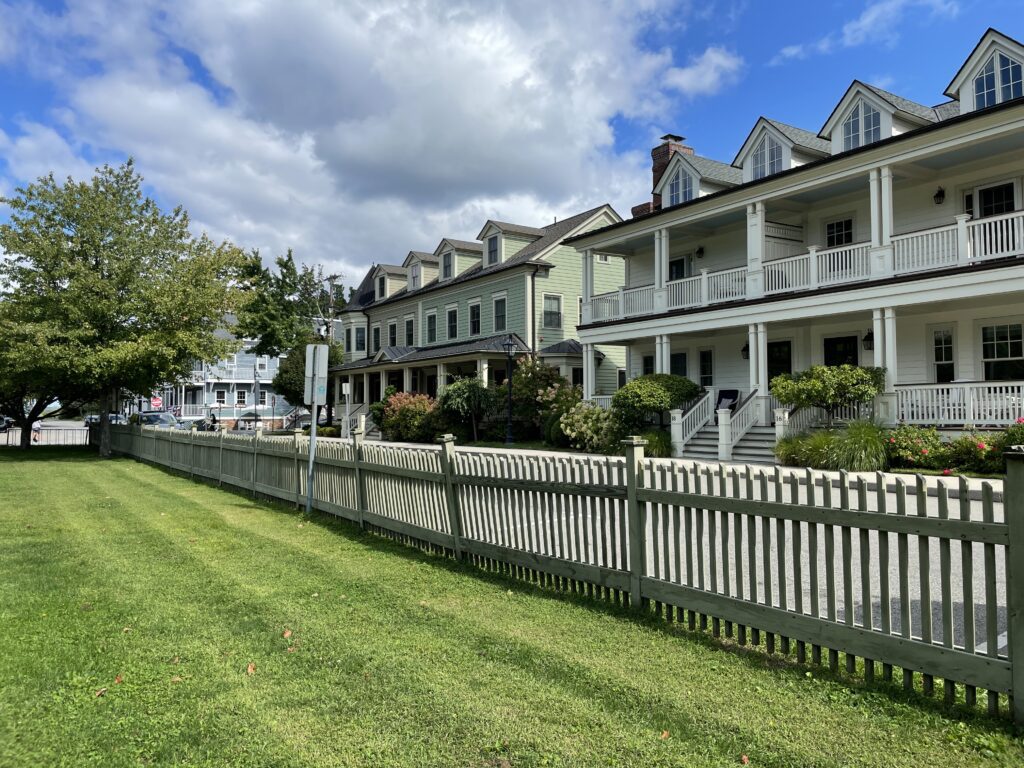
Different buyers, different rhythms. In the Hudson Valley, “best” isn’t one list—it’s fit.
Start your shortlist by how you’ll live (weekday routine + weekends + commute reality), then match towns to that rhythm. That’s how you avoid touring ten homes that are “nice”… but wrong.
Below are three common buyer personas I see in 2026—and the towns that tend to match them best.
For Young Families: parks, routines, and an easy Tuesday night
What matters most:
A calm, predictable day-to-day: schools, playgrounds, libraries, and quick errands
Sidewalks and safer-feeling blocks (or a neighborhood where kids are actually outside)
A “family grid”: pediatrician, grocery, coffee, sports/activities within 10–15 minutes
A house that handles life: storage, mudroom potential, fenced yard, finished basement
What to look for (micro-level):
Village cores where you can walk to a park/library
Blocks close to schools without being directly on drop-off chaos
Quiet streets with consistent year-round traffic patterns
Backyards that feel usable (not just “technically there”)
Towns that commonly fit
Rivertown family hubs (walkable + strong routine):
Croton-on-Hudson: village feel, parks, easy Metro-North access, a strong “community calendar” vibe.
Dobbs Ferry / Hastings-on-Hudson: charming, walkable pockets; great if you want village life and proximity to Westchester conveniences.
North of the city family value + space:
Ossining: more variety in housing types and price bands; good for buyers who want yard + access without paying “storybook village premium.”
Peekskill: improving downtown energy, good for buyers who want space and a more urban-meets-rivertown feel.
If you want a “weekend family” lifestyle:
Warwick (Orange County): farms, events, and a slower pace—great if commute is occasional or flexible.
Tradeoffs to name clearly (so your post feels real):
Walkability often means smaller lots / older homes.
More land usually means more driving and fewer “quick errand” wins.
Village charm can come with historic home upkeep (windows, roofs, insulation).
For Remote Pros: hybrid commute + a house that works all day
What matters most:
A real home office setup (or space to create one)
Quiet enough for calls (street noise, neighbor density, layout matters)
Reliable internet/service (verify—don’t assume)
A commute that works 2–3 days/week without feeling like a punishment
Amenities close enough that you’re not driving 20 minutes for everything
What to look for:
“Station-adjacent but not track-adjacent” (distance + block orientation matters)
Mid-block homes with fewer sightlines to main roads
Layouts with a door you can close (or finished basements/bonus rooms)
Towns that commonly fit
Best for a predictable Metro-North routine:
Tarrytown / Sleepy Hollow: strong station access, restaurants, and a real town feel.
Irvington: polished, calm, a little more “quiet luxury,” typically a tighter inventory feel.
Cold Spring: amazing town energy, but be honest about inventory and pricing pressure; works best if you can be patient.
Best for “space-first” remote living with occasional commute:
Beacon: strong creative/food scene + train access; the hill vs. downtown divide matters.
New Paltz: excellent lifestyle town—more driving and not the same train dynamic, but fantastic for fully remote or occasional NYC.
Tradeoffs to include (adds credibility):
“Close to station” can mean parking constraints, street activity, or train noise.
Some towns have beautiful housing stock but fewer homes with true office separation—plan for renovations or compromises.
Hybrid buyers should prioritize time-to-platform over vague “minutes to NYC.”
For Creatives: walkable culture, studio potential, and community energy
What matters most:
A town you can live inside: coffee, galleries, restaurants, shows, and walkable streets
Space for making: basements, barns, detached garages, loft-like rooms, high ceilings
A community that supports creative work: markets, art walks, venues, classes
A rental/guest strategy (optional): studios, accessory spaces, flexible layouts
What to look for:
Main Street corridors + the side streets right behind them
Older housing stock with character (and renovation potential)
Zoning/permits if you’re thinking ADU/studio conversions (verify early)
Towns that commonly fit
High-energy creative corridors:
Beacon: galleries, restaurants, a real scene; inventory competition tends to be real.
Kingston: multiple districts with distinct vibes; great for buyers who want culture + space variety.
Hudson: design-forward energy and a strong weekend economy; tends to skew pricier for “finished” homes.
Creative + outdoors blend:
New Paltz: mountains, campus energy, and a great day-to-day.
Rhinebeck / Red Hook: refined, artsy, and lifestyle-driven—often a “long-term hold” buyer profile.
Tradeoffs that keep it honest:
The coolest walkable towns can come with tighter parking, older infrastructure, and premium finishes pricing.
“Studio potential” often means older homes + systems updates (electrical, heat, insulation).
If you need quiet, choose your block carefully—scene towns can be lively.
Housing patterns to expect in 2026 (what shows up where)
This is where your post should feel like a pro wrote it:
Near village cores: more condos/townhomes, smaller lots, and older homes updated over time.
Just off Main Street: “sweet spot” inventory—walkable, but quieter and more residential.
Up the hill / outside the center: more single-family, more yard, more driveway space, more square footage for offices.
As you move north: larger lots and privacy increase, but so do drives to essentials—and “turnkey” inventory can tighten.
Quick rule:
If you want walkability, you compromise on land.
If you want land, you plan your errands like a grown-up.
A simple way to choose your shortlist (so readers take action)
Before you tour, decide which “two of three” you are:
Walkability
Commute simplicity
Space/land
Most buyers can max out two. The third becomes a controlled compromise.
FAQs
Will schools limit my options?
Yes—district lines matter, and they don’t always match mailing addresses. Confirm school assignment by the exact address early, especially in border neighborhoods.
Noise near train tracks—dealbreaker?
Not always. Block orientation, tree cover, elevation, and window quality change everything. A house one street over can feel completely different.
What holds resale best?
Homes that combine: (1) a realistic commute option, (2) a walkable lifestyle pocket, and (3) a layout that works for modern living (office space, storage, updated systems). Station-adjacent demand tends to stay durable—when the home isn’t directly penalized by noise/traffic.
Is “turnkey” worth the premium?
Depends on your timeline and tolerance. If you’re hybrid commuting and short on bandwidth, turnkey can be the cheaper option emotionally. If you have flexibility, cosmetic updates can be a value play.
What should I check before falling in love?
Taxes + utilities, internet options, flood/insurance considerations where relevant, and realistic commute patterns for your exact schedule.
Want a shortlist built around your rhythm?
Ask for my Lifestyle Shortlist: 3 towns per persona + current listings that match your must-haves, plus a weekend tour route that doesn’t waste time.