
The Hudson Valley Winterizing Checklist: Get Your Home Ready Before the Cold
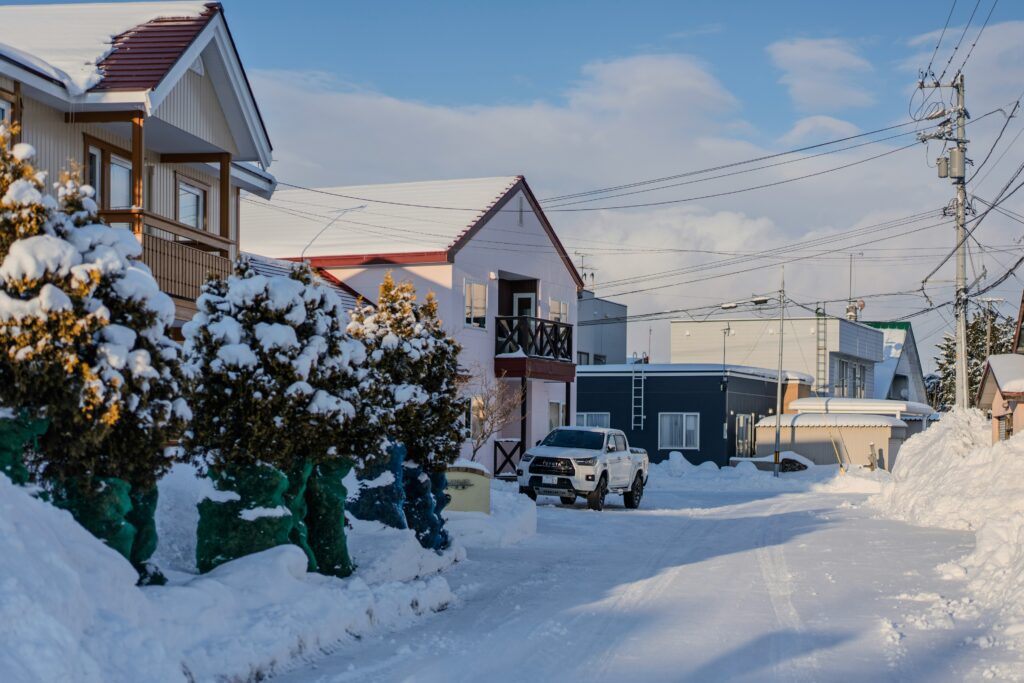
Winter in the Hudson Valley is beautiful and demanding. A few hours of preparation in November can prevent costly problems in January. Here’s a practical checklist, organized by area of the house.
Heating
Schedule a service for your furnace or boiler before the cold arrives, since technicians get busy once temperatures drop. Replace filters, check thermostats, and make sure you know where your fuel supply stands if you use oil or propane. If you have a chimney, woodstove, or fireplace, have it inspected and cleaned by a qualified professional.
Pipes and water
Frozen pipes are among the most common winter problems. Disconnect and drain outdoor hoses, shut off and drain exterior spigots where possible, and insulate exposed pipes in unheated areas such as basements, crawl spaces, and garages. Know where your main water shutoff is and make sure everyone in the household does too. If you’ll be away, keep the heat on at a safe temperature.
Roof, gutters, and exterior
Clean gutters and downspouts so melting snow can drain. Check the roof for loose or damaged shingles. Trim branches that hang over the house or driveway, since heavy snow and ice can bring them down. Seal gaps around doors, windows, and utility penetrations to reduce drafts.
Windows and doors
Check weatherstripping and caulking. Consider storm windows or window insulation film if you have older windows. Replace worn door sweeps. Small drafts can add up to noticeable heating costs.
Safety equipment
Test smoke and carbon monoxide detectors and replace batteries. Check that fire extinguishers are accessible and in date. Keep flashlights and a basic emergency kit handy in case of a power outage.
Driveway, walkways, and snow plan
Decide who will clear snow and when. If you hire a plow service, confirm arrangements before the first storm. Stock ice melt or sand and keep shovels easy to reach. Mark the edges of the driveway if plows will be used.
Firewood and generators
If you burn wood, have it delivered early, stack it off the ground and covered, and keep a few days’ worth near the door. If you have a generator, test it and make sure you have fuel stored safely and follow manufacturer guidance on safe use, especially for carbon monoxide.
Vehicles and gear
Check tires, wiper blades, fluids, and your battery. Keep a snow brush, scraper, blanket, and small shovel in the car.
If you’ll be away
Ask someone to check on the house, set the thermostat to a safe level, and know where the shutoffs are. For longer absences, talk with a professional about draining the system.
A thoughtful next move
Winter preparation isn’t glamorous, but it’s what makes the cozy evenings possible. A well-prepared house lets you enjoy the season.
Thinking about a move or sale? A clear plan begins with a conversation about your timing, priorities, and the specific property or area you’re considering.
Frequently asked questions
When should I winterize my home? Late fall, before sustained freezing temperatures, is a good time. Start with heating service and outdoor water lines.
How do I prevent frozen pipes? Insulate exposed pipes, drain outdoor lines, seal drafts near plumbing, and keep the heat on in cold weather. Ask a plumber about your specific home.
What should be in a winter emergency kit? Flashlights, batteries, blankets, water, nonperishable food, a first aid kit, and any needed medications.