
How to Choose Between Village Living and More Land in the Hudson Valley
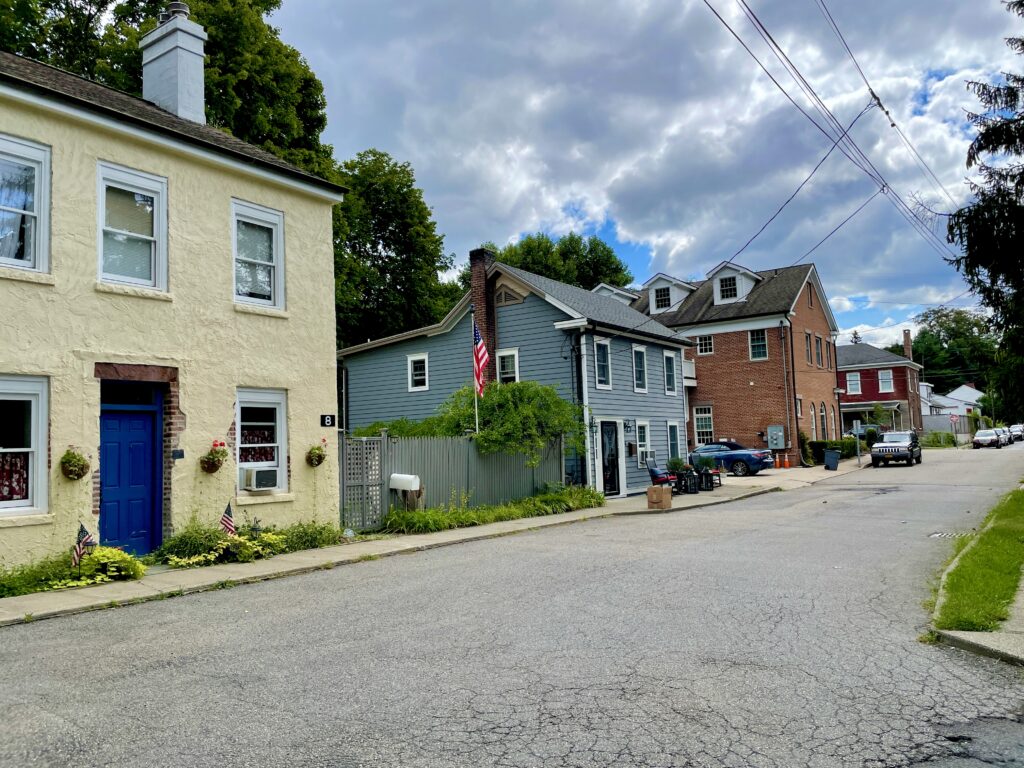
In the Hudson Valley, buyers often face a wonderful tension: walkable village life or more privacy and land. Neither is automatically better. The right choice depends on how you want your average Wednesday to feel, not on which one looks better in the listing photos.
This is one of those decisions people tend to make on a beautiful Saturday and then live with on an ordinary Tuesday in February. Both options are genuinely good. They’re just good in different, sometimes incompatible ways, and it’s worth being honest about the tradeoffs before you’re three months into a mortgage.
The direct answer
There’s no universal best answer, because these decisions are personal and property-specific. The useful answer is the one that explains the tradeoffs clearly, names the right questions, and gives a buyer a path from curiosity to a confident decision. That’s the standard this guide is trying to meet.
What village living actually costs and offers
Village living offers convenience that’s easy to underrate until you’ve lived without it: a five-minute walk for coffee, dinner without planning around parking, and the kind of visible community where you start recognizing faces at the market. In towns like Beacon, Cold Spring, or Rhinebeck, that convenience is real and daily, not occasional.
It comes with real tradeoffs too. Lots tend to be smaller, neighbors are closer, and you’ll hear more of daily life happening around you: traffic, footsteps, the occasional weekend event. Property taxes in walkable village centers can run higher than in outlying areas of the same town, since you’re paying for proximity to services and infrastructure. And privacy looks different: a fenced yard and drawn curtains do more work in a village setting than they would on five acres.
What acreage actually costs and offers
More land creates quiet, view, gardening space, and room to breathe that a village lot simply can’t match. It also comes with a maintenance calendar most buyers underestimate until they own it.
A long driveway needs plowing every time it snows, and in the Hudson Valley that can mean fifteen or more storms a winter depending on the year. If you’re not doing it yourself, that’s a recurring cost, not a one-time one. A well and septic system, standard on most rural Hudson Valley properties, need their own upkeep and eventual replacement. A septic failure or a well running dry are both expensive surprises if you haven’t budgeted for them. Larger properties usually mean more trees, so more storm cleanup, and more lawn or field, so either your own equipment or a landscaping contract. None of this is a reason to avoid acreage. It’s a reason to go in with real numbers instead of a romantic idea of what land ownership involves.
Test your habits, not your fantasy
Picture groceries in the rain, not the farmers market on a perfect fall Saturday. Picture a 6am departure in January when the driveway needs clearing before you can leave for work. Picture a spontaneous dinner out on a Tuesday, and whether that still feels spontaneous with a twenty-minute drive each way. Picture visitors showing up unannounced, dog walks in February, and who’s doing the mowing, plowing, and gutter cleaning six years from now, not just this year.
The property that wins on Instagram and the property that actually fits your real week are sometimes the same house. They’re often not.
A thoughtful next move
A property should make your preferred life easier, not merely look beautiful online. Once you articulate your daily rhythm, honestly, including the parts that aren’t scenic, the decision becomes far less abstract.
Want an answer tailored to your situation? Jeffrey Hoffmann can help translate your priorities into a thoughtful Hudson Valley buying or selling strategy.
Frequently asked questions
Is village living better for Hudson Valley newcomers? Often, yes, for a first year or two, simply because it lowers the learning curve. You’re closer to services, don’t need to learn a new maintenance routine right away, and can get a feel for the region before committing to the greater responsibility of a rural property. That said, newcomers who know they want space and privacy shouldn’t default to a village just because it’s the safer-feeling first move. It depends on your budget, timeline, and how much hands-on maintenance you’re realistically ready to take on.
How much maintenance does acreage require? More than most buyers expect going in. Plan for seasonal driveway plowing or snow removal, regular well and septic upkeep with eventual repair or replacement costs, storm and tree cleanup, and either equipment or a contractor for lawn and field maintenance. None of this is prohibitive, but it should be part of your monthly budget conversation, not a surprise line item after closing. A local inspector or property manager can give you a realistic estimate for a specific property before you commit.
What should I ask about a rural driveway and property access? Ask who’s legally responsible for maintaining and plowing the driveway, especially if it’s shared with a neighbor or crosses another property under an easement. Confirm the access is a recorded, legal right of way, not an informal arrangement that could change with new ownership next door. Ask how the road is maintained in winter, whether it’s town-maintained or private, and get a sense of typical plowing costs for the length and grade of that specific driveway. These are exactly the kinds of details worth verifying with your agent and attorney during due diligence, since an access problem is far easier to solve before closing than after.