
Should You Buy a Hudson Valley Home With a Well and Septic System?
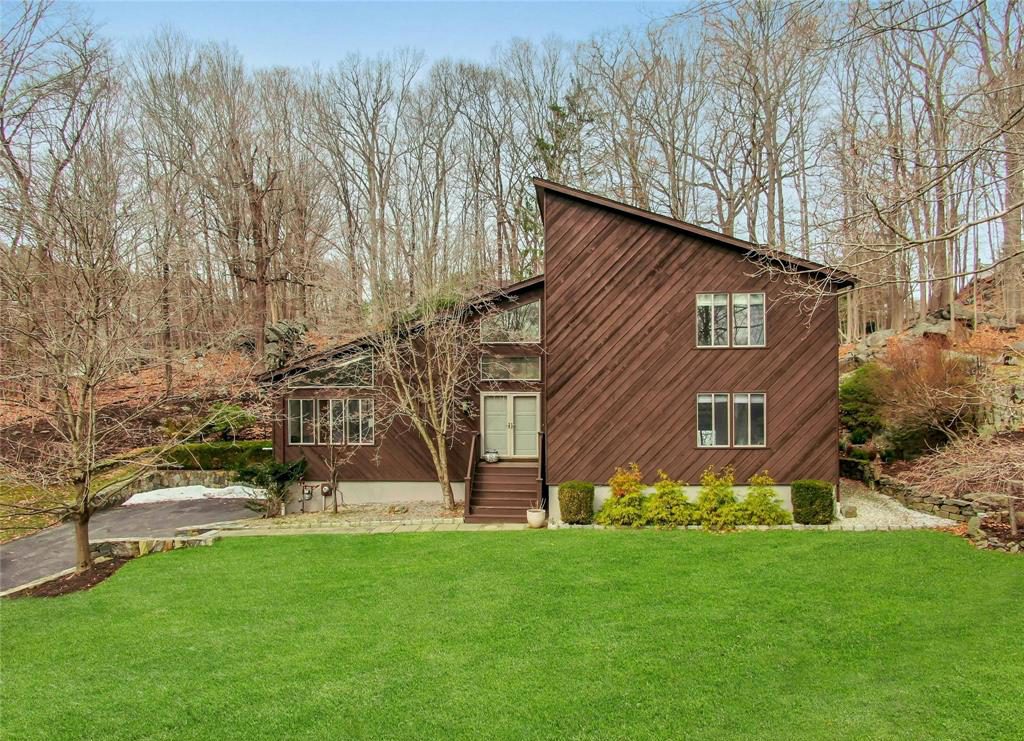
For many buyers coming from New York City, lower Westchester, or more suburban areas with municipal utilities, the words “well” and “septic” can create an immediate pause.
Understandably.
A private well and septic system may feel unfamiliar if you have always lived with public water and sewer. You may wonder whether the systems are risky, expensive, complicated, or a sign that the property is somehow less convenient.
The reassuring answer is this: buying a home with well and septic in the Hudson Valley can be perfectly practical.
In many parts of Dutchess, Putnam, Westchester, Columbia, and Ulster Counties, private well and septic systems are common. They are not unusual. They are not automatically a problem. They are simply part of how many homes outside denser village centers and municipal service areas operate.
The key is not to treat them as mysterious.
Treat them as systems.
Systems have records.
Systems can be tested.
Systems need maintenance.
Systems have useful lives.
And systems should be understood before you buy.
That is the difference between uncertainty and confidence.
The direct answer
So, should you buy a Hudson Valley home with a well and septic system?
Yes, you can if you understand the condition, maintenance history, expected responsibilities, and potential costs before moving forward.
A private well and septic system should not automatically scare a buyer away from an otherwise strong property. Some of the most beautiful Hudson Valley homes, especially those with acreage, privacy, wooded settings, long driveways, or rural character, rely on well and septic rather than municipal utilities.
But you should not ignore them either.
A well and septic system are part of the home’s infrastructure. They deserve the same serious attention you would give to a roof, heating system, foundation, electrical panel, or drainage issue.
The right question is not:
“Is well and septic a deal-breaker?”
The better question is:
“Do I understand the condition, the care plan, and the expected costs?”
When you have that information, the decision becomes much clearer.
Why many Hudson Valley homes have well and septic
The Hudson Valley is not one uniform housing market. It includes river villages, wooded retreats, lake communities, farm properties, historic homes, suburban neighborhoods, and larger acreage properties.
Municipal water and sewer are more common in certain villages, towns, and developed neighborhoods. But once you move into more rural or lower-density areas, private systems become much more common.
That is often part of the tradeoff.
A home with a well and septic system may also offer the kind of privacy, land, setting, and breathing room that draws people to the Hudson Valley in the first place.
In other words, well and septic are often connected to the lifestyle people say they want: more space, more nature, fewer neighbors directly outside the window, and a home that feels removed without being disconnected.
The systems themselves are not the problem.
The problem is buying without understanding them.
What a private well does
A private well supplies water to the home from an underground source. Instead of receiving water from a municipal water system, the property has its own water supply.
That means buyers should understand both water quality and water quantity.
Water quality refers to what is in the water. Testing can identify issues such as bacteria, minerals, metals, hardness, pH imbalance, or other contaminants depending on the property and location.
Water quantity refers to whether the well can produce enough water for the household’s normal use. A home may have excellent-tasting water but still need evaluation if there are concerns about flow rate, recovery rate, or pressure.
For a buyer, the goal is not simply to confirm that water comes out of the faucet.
The goal is to understand whether the well is safe, functional, and appropriate for the way the home will be used.
What a septic system does
A septic system handles wastewater from the home when the property is not connected to a municipal sewer system.
In simple terms, wastewater leaves the house and flows into a septic tank, where solids settle and liquids move through the system into a leach field or absorption area. The soil then helps filter and disperse the wastewater.
That is the clean version.
The less glamorous version is that your septic system is doing important work quietly underground, and it would very much like you to respect its boundaries.
A septic system can function reliably for many years when it is properly designed, appropriately sized, maintained, and not abused. But it is not something to ignore.
Buyers should understand the location of the tank, the leach field, any reserve area if applicable, the system’s age, service history, and whether there have been any repairs, failures, backups, or known concerns.
Request documents early
When buying a home with well and septic in the Hudson Valley, request available records as early as possible.
Helpful documents may include:
Septic permits and approvals
These may show the system design, installation date, capacity, location, or any municipal records available.
Septic pumping history
Regular pumping can be a sign that the system has been maintained. Lack of records does not automatically mean the system is failing, but it does mean you have more questions to ask.
Repair records
Any history of septic repairs, well pump replacement, water treatment installation, pipe repairs, or drainage work can help clarify what has been addressed.
Well information
Ask for any available records about the well depth, pump, pressure tank, yield, water treatment equipment, and prior testing.
Water-quality testing results
Prior tests can be useful, but buyers should usually conduct current testing as part of their due diligence.
Property survey or septic location sketch
Knowing where the tank, leach field, well, driveway, pool, additions, patios, and outbuildings are located matters.
Your attorney, home inspector, septic professional, well specialist, and local municipality may all help determine what records exist and what still needs to be verified.
The earlier you ask, the better.
There is nothing relaxing about discovering a missing septic record three days before a contract deadline. Very character-building. Not recommended.
Use qualified professionals
A general home inspection is important, but well and septic systems often require more specific evaluation.
For septic, buyers typically benefit from a dedicated septic inspection by a qualified septic professional. Depending on the situation, that inspection may include locating the tank, opening and inspecting accessible components, checking levels, evaluating visible signs of trouble, reviewing the leach field area, and advising whether additional testing or investigation is recommended.
For a private well, buyers should consider water-quality testing and, where appropriate, evaluation of the well system. This may include checking water pressure, equipment condition, treatment systems, pump components, or yield-related concerns.
The exact inspection process can vary by property, location, lender requirements, and professional recommendation.
The important point is simple:
Do not rely on assumptions.
If the home depends on private water and wastewater systems, those systems deserve focused attention before closing.
What buyers should ask about the well
Before buying, ask practical questions about the private well:
Where is the well located?
How old is the well equipment?
Has the pump been replaced? If so, when?
Is there a pressure tank, filtration system, water softener, UV system, or other treatment equipment?
Has the water been tested recently?
Have there been any issues with water pressure, odor, staining, taste, sediment, or discoloration?
Does the well produce enough water for the household’s needs?
Are there any known seasonal issues during drought or heavy rain?
What maintenance does the current owner perform?
Some well water is excellent. Some needs treatment. Some systems simply require routine maintenance and monitoring.
The point is not to expect perfection.
The point is to understand what you are buying.
What buyers should ask about the septic system
For septic, the questions are just as important:
Where are the tank and leach field located?
When was the system installed?
When was it last pumped?
How often has it been serviced?
Has there ever been a backup, failure, repair, or replacement?
Is the system sized appropriately for the home’s bedroom count?
Are there any additions, finished spaces, or expanded use that may affect system capacity?
Are there wet spots, odors, slow drains, or lush green patches near the leach field?
Can vehicles drive over any part of the system?
Are there trees or deep-rooted plantings too close to septic components?
Where is the reserve area, if one exists?
The location matters because septic systems do not appreciate being driven over, built over, compacted, or treated like an open invitation for landscaping ambition.
A buyer should know which parts of the yard are usable for normal enjoyment and which areas should be protected.
Household habits matter
A well and septic system is not necessarily difficult to live with, but it does ask for sensible habits.
For septic systems, homeowners should be careful about what goes down the drains. Avoid flushing wipes, hygiene products, grease, harsh chemicals, excessive food waste, and anything the system was not designed to handle.
Water usage also matters. Large bursts of water use can strain a system, especially with many guests, frequent laundry, or heavy simultaneous use.
That does not mean you have to live like you are camping.
It simply means being thoughtful.
Run full laundry loads instead of constant small loads. Fix leaks promptly. Use water-efficient fixtures where appropriate. Know where the septic area is. Keep heavy vehicles off the leach field. Pump the tank on a schedule recommended by a professional.
For wells, homeowners may need to maintain filters, softeners, UV systems, pressure tanks, or treatment equipment depending on the property.
None of this is exotic.
It is homeownership with a little more awareness.
How well and septic can affect financing
Can you finance a home with well and septic?
Often, yes.
Many homes with private well and septic systems are financed every day. But lenders may have requirements, and those requirements can vary depending on the loan type, property condition, and underwriting guidelines.
A lender may request water testing, septic information, repairs, or confirmation that systems are functioning. Certain issues discovered during inspection may need to be addressed before closing, negotiated with the seller, or evaluated further.
This is one reason buyers should coordinate early with their lender, attorney, inspector, and agent.
A well and septic system should not automatically prevent financing, but it should not be left as a last-minute surprise either.
How these systems can affect resale
Some buyers worry that a home with well and septic will be harder to sell later.
The better answer is more nuanced.
In many Hudson Valley locations, well and septic are completely normal for the market. Buyers looking in those areas may expect it. A well-maintained system with clear records may not be a major obstacle.
Where resale can become more challenging is when systems are old, poorly documented, failing, undersized, inaccessible, or surrounded by uncertainty.
Documentation helps.
Maintenance helps.
Clear communication helps.
A seller who can provide pumping records, water treatment information, testing history, repair receipts, and system details gives future buyers more confidence.
That confidence can matter when it is time to sell.
Sellers should prepare before listing
If you are selling a Hudson Valley home with well and septic, do not wait until a buyer asks questions.
Prepare in advance.
Gather available records. Confirm when the septic was last pumped. Locate system components. Review whether you have permits, prior test results, maintenance records, water treatment information, and repair invoices.
If something is unclear, consider discussing the timing of inspections or service with your agent before launching the listing.
This does not mean every seller should automatically conduct every possible inspection before listing. The right approach depends on the property, local practice, market conditions, and your strategy.
But from a marketing and negotiation standpoint, uncertainty is rarely your friend.
The more prepared you are, the easier it is to give buyers confidence.
And confident buyers tend to make stronger decisions.
Red flags buyers should not ignore
Most well and septic questions are manageable with proper evaluation, but some issues deserve extra attention.
Possible red flags include:
A septic system with no known location.
No pumping history or service records.
Slow drains, sewage odor, backups, or wet areas near the leach field.
A system that appears undersized for the home’s current use.
Evidence that vehicles have been driven over septic components.
A well with poor water test results or unresolved contamination concerns.
Low water pressure, sediment, odor, staining, or recurring treatment issues.
A property with unclear permits or major undocumented work.
A seller who cannot answer basic system questions.
A red flag does not always mean walk away.
It means slow down, investigate, and bring in the right professionals.
There is a large difference between “this needs maintenance” and “this system is failing.”
Your job as a buyer is to know which conversation you are having.
What if the inspection finds a problem?
If a septic or well inspection reveals an issue, the next step depends on the severity, cost, timing, lender requirements, and contract terms.
Sometimes the solution is simple maintenance.
Sometimes it is additional testing.
Sometimes it is a repair, credit, escrow arrangement, price adjustment, or seller correction before closing.
Sometimes the issue is serious enough that a buyer may need to reconsider.
This is where good representation matters.
A buyer needs to understand the issue, gather professional opinions, evaluate cost and risk, and decide whether the home still makes sense. A seller needs to respond strategically without letting the negotiation become emotional or chaotic.
The goal is not drama.
The goal is clarity.
Well and septic can support the lifestyle buyers want
It is worth remembering why these systems often appear in the first place.
A home with well and septic may offer privacy, acreage, wooded surroundings, a quieter road, lake access, mountain views, gardens, outdoor entertaining, or more distance from neighboring homes.
For many Hudson Valley buyers, those qualities are the point.
Municipal utilities are convenient, but they are not the only path to a comfortable home.
A private well and septic system can be part of a perfectly livable, highly desirable property when the systems are functioning properly and the buyer understands how to care for them.
The question is not whether well and septic are “good” or “bad.”
The question is whether they are known, tested, maintained, and appropriate for the property.
Frequently asked questions
How often should a septic system be inspected?
A septic system should be evaluated during the purchase process by a qualified septic professional. After purchase, homeowners should follow the maintenance schedule recommended by that professional, which may depend on the size of the tank, household size, water usage, system age, and property conditions. Pumping frequency can vary, so buyers should ask for prior pumping records and a recommended maintenance plan.
What water tests should buyers request?
Buyers should ask their attorney, inspector, lender, and appropriate water-testing professional which tests are recommended or required for the property. Common concerns may include bacteria, nitrates, lead, arsenic, pH, hardness, iron, manganese, and other local or property-specific issues. Testing needs can vary by municipality, lender, and site conditions, so buyers should verify what applies before closing.
Can I finance a home with well and septic?
Yes, many homes with well and septic systems are financed. However, lenders may have requirements related to water quality, septic condition, property safety, or system functionality. Buyers should speak with their lender early and make sure inspections and required tests are completed within the appropriate timeline.
Is a private well expensive to maintain?
A private well is not necessarily expensive to maintain, but costs depend on the system, water quality, treatment equipment, pump age, pressure tank, and any repairs needed over time. Some homes may only require routine testing and filter changes, while others may need water treatment systems or equipment replacement.
Is a septic system a deal-breaker?
Not automatically. Septic systems are common in many Hudson Valley communities and can function well for many years with proper use and maintenance. A septic system becomes a concern when it is failing, poorly documented, improperly sized, difficult to access, or not understood by the buyer.
What should sellers do before listing a home with well and septic?
Sellers should gather available records, including septic pumping history, permits, repairs, well information, water treatment details, and any prior testing. They should know where the systems are located and be prepared to answer reasonable buyer questions. Good documentation can reduce uncertainty and support buyer confidence.
A thoughtful next move
Buying a home with well and septic in the Hudson Valley is not unusual.
It is not automatically complicated.
And it is not something buyers need to fear.
But it is something buyers should understand.
The right approach is simple: request records early, use qualified professionals, test appropriately, understand the maintenance plan, and make sure the systems match the way you intend to live in the home.
Clear information turns an unfamiliar feature into an informed decision.
For a home search shaped around the way you want to live, not just the number of bedrooms or the view from the deck, connect with Jeffrey Hoffmann for a thoughtful Hudson Valley buying or selling strategy.