
Hudson Valley Architecture Tour: Mid-Century, Victorians & Farmhouses
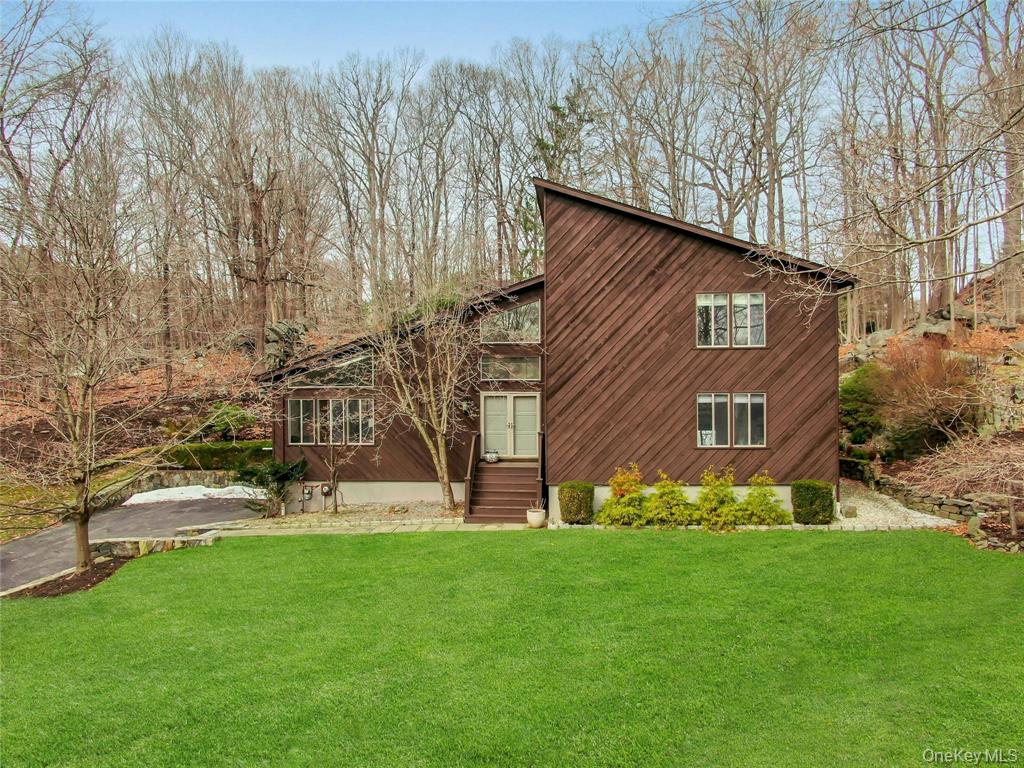
Architecture is one of the fastest ways to understand your own taste.
Before buyers fall for square footage, they usually fall for a feeling. A low-slung roofline tucked into the trees. A painted Victorian porch with detail you just do not see in new construction. A farmhouse kitchen that feels collected over time rather than manufactured all at once.
In the Hudson Valley, that emotional pull matters because the housing stock is full of character. Styles are not neatly sorted into one lane. You can move from a river town lined with historic homes to a wooded road with a glassy mid-century retreat in a matter of minutes. That variety is part of the appeal — and part of why it helps to know what you are looking at before you start touring.
This Hudson Valley architecture guide is designed to help you spot the hallmarks of three styles buyers ask about most often: mid-century homes, Victorians, and farmhouses. More importantly, it will help you understand the renovation watch-outs behind the charm, so you can tour with clearer eyes and better questions.
Why Architecture Matters When You Shop the Hudson Valley
A home’s style affects more than aesthetics.
It shapes how light moves through the rooms. It influences the layout, the renovation budget, the maintenance list, and even how you live day to day. A buyer who says, “I want character,” may actually mean detailed millwork, higher ceilings, older materials, and a sense of history. A buyer who wants “clean and simple” may be describing mid-century lines, open sightlines, and stronger indoor-outdoor connection.
Knowing the difference helps you narrow your search faster.
It also helps you avoid the classic mistake of chasing a look without understanding the lifestyle that comes with it.
1. Mid-Century Homes: Calm Lines, Big Glass, Strong Indoor-Outdoor Flow
Mid-century homes have a quiet confidence to them.
They tend to feel intentional rather than ornate. The lines are cleaner. The roof profiles are lower. The windows are often larger. And when the design is done well, the house feels connected to the landscape rather than dropped onto it.
Hallmarks of Mid-Century Architecture
Look for these signatures:
• Low, horizontal profiles
• Large expanses of glass
• Open or semi-open living spaces
• Natural materials, including wood, brick, and stone
• Carports or simple garage forms
• A strong relationship to the outdoors
The best mid-century homes feel bright, relaxed, and architectural without trying too hard. They often appeal to buyers who love design, privacy, and a more edited, modern way of living.
Mid-Century Renovation Watch-Outs
This is where the romance needs a little realism.
Older mid-century homes can come with details that are visually beautiful but mechanically dated. The most common items to investigate include:
• Roof condition, especially on lower-pitch rooflines
• Single-pane glass, which can affect efficiency and comfort
• Original insulation, which may not meet modern expectations
• Aging mechanical systems
• Specialty materials or custom details that can be costly to replace well
A tasteful renovation can preserve the soul of a mid-century home while improving performance. The key is resisting updates that erase what made the property special in the first place.
2. Victorian Homes: Detail, Drama, and a Sense of History
Victorians do not whisper. They introduce themselves.
These homes are often the stars of the block, with decorative trim, verticality, texture, and rooms that reflect an earlier way of living. For buyers who love craftsmanship and history, Victorians can be irresistible.
Hallmarks of Victorian Architecture
Common traits include:
• Ornate exterior trim and decorative detailing
• Tall ceilings
• Bay windows or turret-like features
• Narrower staircases and more segmented room layouts
• Wood floors, moldings, and period millwork
• A more formal sense of entry and circulation
Victorian homes often offer the emotional experience buyers mean when they say they want “original charm.” They can feel layered, elegant, and deeply rooted in place.
Victorian Renovation Watch-Outs
Character is wonderful. Deferred maintenance is less romantic.
When touring Victorians, pay close attention to:
• Knob-and-tube wiring
• Lead paint concerns
• Older windows
• Aging plaster
• Foundation or moisture issues
• The condition of exterior woodwork and trim
Historic homes can absolutely be updated, but they often require a more careful approach. The wrong renovation can look out of place. The right one protects the home’s architecture while making daily life more comfortable.
If the property sits in a historic district, exterior changes may be more regulated than buyers expect. It is smart to confirm what is allowed before planning window replacements, porch alterations, siding changes, or additions.
3. Farmhouses: Warmth, Simplicity, and a Collected Feel
Farmhouses have broad appeal because they feel grounded.
They are often less about perfection and more about presence — porches, practical layouts, durable materials, and spaces that invite people to stay a while. In the Hudson Valley, farmhouse style can range from truly old homes with agricultural roots to updated country properties that borrow the vocabulary without the age.
Hallmarks of Farmhouse Style
Look for:
• Wide plank floors
• Front or wraparound porches
• Simple, symmetrical forms
• Generous kitchens and casual gathering spaces
• Exposed beams or original wood details
• A lived-in, comfortable rhythm
Buyers are often drawn to farmhouses because they feel timeless. They photograph beautifully, but more importantly, they tend to support the kind of lifestyle people picture when they move north: slower mornings, more outdoor connection, and rooms that feel warm rather than overly polished.
Farmhouse Renovation Watch-Outs
Not every farmhouse aged gracefully.
Watch for:
• Multiple additions from different eras
• Uneven floor levels or awkward transitions
• Older septic systems or limited septic capacity
• Insulation gaps
• Moisture management in basements or crawl spaces
• Cosmetic updates that hide underlying issues
With farmhouses, the floor plan often tells the truth. If the home has been added onto several times, walk it carefully. Does it feel coherent? Or does it feel like three houses negotiating with each other?
That question matters more than buyers think.
Where to Scout by Style in the Hudson Valley
Part of the fun is learning where different architectural personalities tend to show up.
As a general rule:
• Victorians often appear more frequently in river towns and established historic areas
• Mid-century homes are often found on wooded parcels, hillside settings, or more private lots
• Farmhouses tend to show up around village fringes, country roads, and more rural pockets
This is not a hard rule. The Hudson Valley always surprises you.
But if you know the style you love, you can often narrow your search geography more intelligently and spend less time touring homes that were never going to feel right.
How to Tour by Style Without Getting Distracted
When buyers walk into a character home, they often focus on décor first.
That is understandable — but it is not the best use of a showing.
Instead, try touring in this order:
First, study the bones
Look at the rooflines, windows, ceiling heights, room flow, and proportions.
Then, assess the light
Does the home feel bright in the way you want it to? Style and light are often linked.
Next, notice what is original
Ask what appears authentic to the house and what seems added later.
Finally, ask what must be improved versus what could wait
That is where renovation reality starts to separate from Pinterest fantasy.
A beautiful house is one thing. A beautiful house with a manageable path forward is something else entirely.
FAQs
Are energy upgrades worth doing in a mid-century home?
Usually, yes — but planning matters. Window strategy, insulation, and mechanical updates should work together so you improve comfort without stripping away the architectural character that made the home appealing in the first place.
Do historic rules apply to every older home?
No. Restrictions vary by district and municipality. Some homes have no special exterior review at all, while others may have tighter limits on visible changes. Always confirm before making assumptions.
Can you create an open floor plan in a Victorian or farmhouse?
Sometimes. The best edits are sensitive ones. You want to improve function without flattening all the character out of the house. Not every wall should come down just because it can.
Is one style better for resale than another?
Not universally. Resale value depends on condition, location, layout, land, and how well the home’s style has been preserved or updated. The stronger strategy is usually to buy the best version of the style you genuinely love.
What is the biggest mistake buyers make with architectural homes?
Confusing charm with condition. A home can be beautiful and still need meaningful work. The goal is not to avoid character — it is to understand what comes with it.
Final Thought
The right architecture does more than impress you.
It gives shape to the way you want to live.
That is why style is not just a design preference. It is a filter. It helps you understand which homes will keep feeling right after the excitement of the first showing wears off. In a region as visually rich as the Hudson Valley, that clarity is powerful.
Because once you know your style, your search gets sharper.
And when your search gets sharper, better decisions follow.
Want a faster way to shop by style?
Request my Architecture Cheat Sheet plus current Hudson Valley listings by style, and I’ll send you a curated starting point for mid-century homes, Victorians, and farmhouses.